
5 Key Factors to Consider When Choosing Suppliers
5 Key Factors to Consider When Choosing Suppliers
In the world of business, your company is only as strong as its weakest link. For most businesses, that link often leads directly outside the organization—straight to your suppliers.
Whether you’re sourcing raw materials for manufacturing, software for your tech stack, or finished goods for your retail store, the suppliers you choose play a monumental role in your bottom line, product quality, and overall brand reputation. A great supplier is a strategic partner; a bad one is a constant headache.
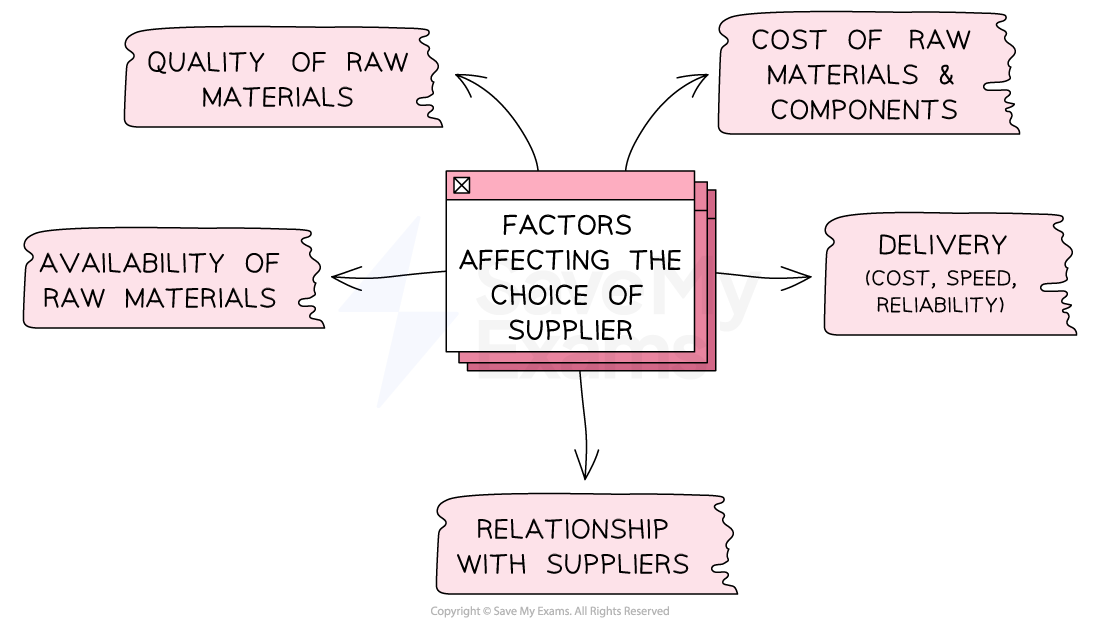
So, how do you find the right fit? Before you sign on the dotted line, here are five key factors you must consider when choosing a supplier.
1. Quality and Reliability (The Non-Negotiables)
It sounds obvious, but it bears repeating: quality is king. If your supplier provides sub-par materials or products, it directly impacts your end customer, leading to returns, complaints, and a damaged reputation.
However, quality without reliability is practically useless. You need to know that your supplier can deliver the same high standard of goods consistently, time and time again.
- Ask yourself: What are their quality control processes? Do they have certifications (like ISO standards)? Do they have a track record of delivering on time, or are delays a regular occurrence?
2. Total Cost (Beyond the Price Tag)
It’s easy to be blinded by the lowest bid. While price is undeniably important, focusing on it exclusively is a classic trap. The "cheapest" supplier can quickly become the most expensive if hidden costs pile up.
When evaluating cost, look at the total cost of ownership (TCO).
- Consider factors like: Shipping and freight costs, import duties, minimum order quantities (MOQs), payment terms, and potential costs associated with delays or defective products. Sometimes, paying a slightly higher unit price for a local supplier with lower shipping costs and better terms makes much more financial sense.
3. Capacity and Scalability
Your business isn't static—you want it to grow. But can your supplier grow with you?
A small supplier might offer fantastic, personalized service right now, but what happens if your sales double next quarter? Will they be able to handle the increased volume without sacrificing quality or missing deadlines? Conversely, if you hit a slow season, are they flexible enough to scale down?
- Ask yourself: What is their maximum production capacity? How do they handle surges in demand? Ensure your supplier’s infrastructure matches both your current needs and your future ambitions.
4. Communication and Cultural Fit
Business is ultimately about relationships. When things go wrong—and at some point, supply chain hiccups are inevitable—how your supplier communicates with you will make all the difference.
You need a supplier who is transparent, responsive, and proactive. If a shipment is going to be delayed, you want to know before it becomes an emergency on your end. Furthermore, consider time zones, language barriers, and general business values. A good cultural and communicative fit ensures smoother day-to-day operations and quicker problem-solving.
5. Financial Stability and Ethics
The last thing you want is to build a thriving relationship with a supplier, only for them to go bankrupt overnight, leaving you high and dry.
Before committing, do a little digging into their financial health. Are they stable? Do they have a good credit rating in their industry? Additionally, corporate social responsibility (CSR) matters more than ever today. Consumers care about ethical sourcing, fair labor practices, and environmental sustainability. If your supplier is caught using child labor, dumping toxic waste, or violating labor laws, that PR nightmare will quickly become your nightmare. Protect your brand by vetting their ethical practices.