
7 Pros and Cons of Using a Water Filter at Home
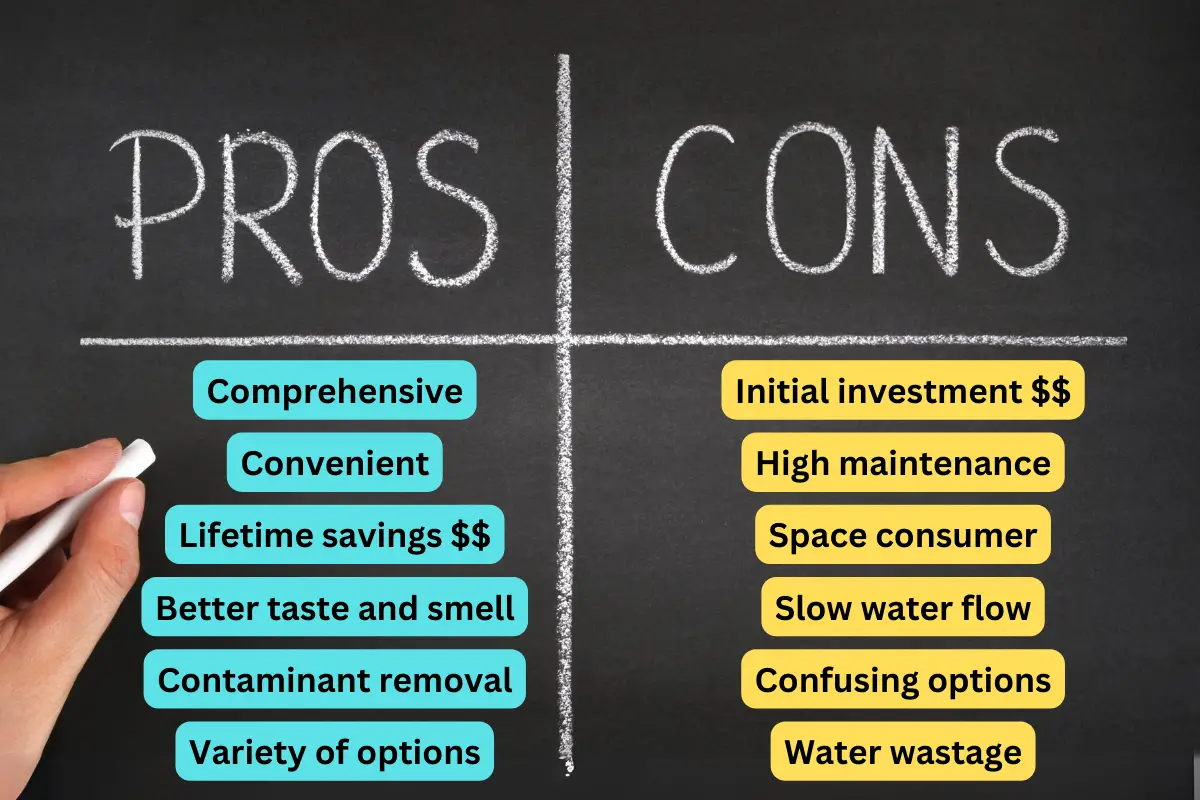
7 Pros and Cons of Using a Water Filter at Home: Is It Worth It?
Clean, great-tasting water is a luxury that should be a necessity. While tap water in many regions is treated to meet safety standards, concerns about aging pipes, lingering chlorine, and chemical contaminants have led millions of households to invest in home water filtration systems.
But is a filter right for your kitchen? Before you make the investment, let’s break down the 7 key pros and cons of using a water filter at home.
The Pros: Why You Should Filter
1. Improved Taste and Odor
One of the most immediate benefits of a water filter is the change in flavor. Many municipal water systems use chlorine or chloramine to disinfect water, which can leave a medicinal, "swimming pool" taste and smell. Charcoal-based filters effectively remove these chemicals, leaving you with crisp, clean-tasting water.
2. Significant Reduction in Contaminants
While tap water is generally "safe," it can still contain heavy metals, lead, pesticides, or microbes that leach into the water through old plumbing. A high-quality filtration system (like Reverse Osmosis) acts as a final barrier, catching these impurities before they land in your glass.
3. Long-Term Cost Savings
If you currently rely on bottled water, you are paying a massive premium for convenience. Once you pay for the initial installation of a faucet filter or under-sink system, the cost per gallon drops drastically. You’ll stop spending money on plastic bottles and start saving hundreds of dollars a year.
4. Eco-Friendly Impact
It is estimated that millions of plastic water bottles end up in landfills—or worse, the ocean—every single day. By using a home filter and a reusable bottle, you are taking a simple, effective step to reduce your household’s plastic waste footprint.
The Cons: What to Consider Before Buying
5. High Upfront and Maintenance Costs
While you save money compared to bottled water, installing a professional-grade system (like a whole-home or under-sink reverse osmosis unit) can be expensive. Furthermore, these systems require regular filter replacements. If you forget to swap out the cartridges, the filter can become a breeding ground for bacteria, defeating the purpose of the device.
6. Slow Flow Rates
If you’ve ever filled a pitcher from a countertop filter, you know the frustration: drip, drip, drip. High-quality filtration often works by forcing water through dense membranes, which can significantly reduce your faucet’s water pressure. If you are impatient or need to fill a large pot for pasta, this can be a minor daily annoyance.
7. Risk of Mineral Depletion
Some advanced filtration technologies, specifically Reverse Osmosis, are so effective that they remove everything—including healthy, naturally occurring minerals like calcium and magnesium. If you do not have a remineralization stage in your system, you are essentially drinking "dead" water. While this isn't harmful, some people find the taste of demineralized water to be "flat."