
Are Water Dispensers Safe for Drinking Water?
Are Water Dispensers Safe for Drinking Water? A Comprehensive Guide
Water dispensers have become a staple in homes and offices, providing convenient access to drinking water. However, as their popularity grows, so do questions about their safety. Are water dispensers safe for drinking water? The answer lies in understanding the types of dispensers, their maintenance, and the factors that influence water quality. Let’s dive into these aspects to ensure you can enjoy clean, safe water from your dispenser.
Understanding Water Dispenser Types
Different dispensers offer varying levels of safety and convenience:
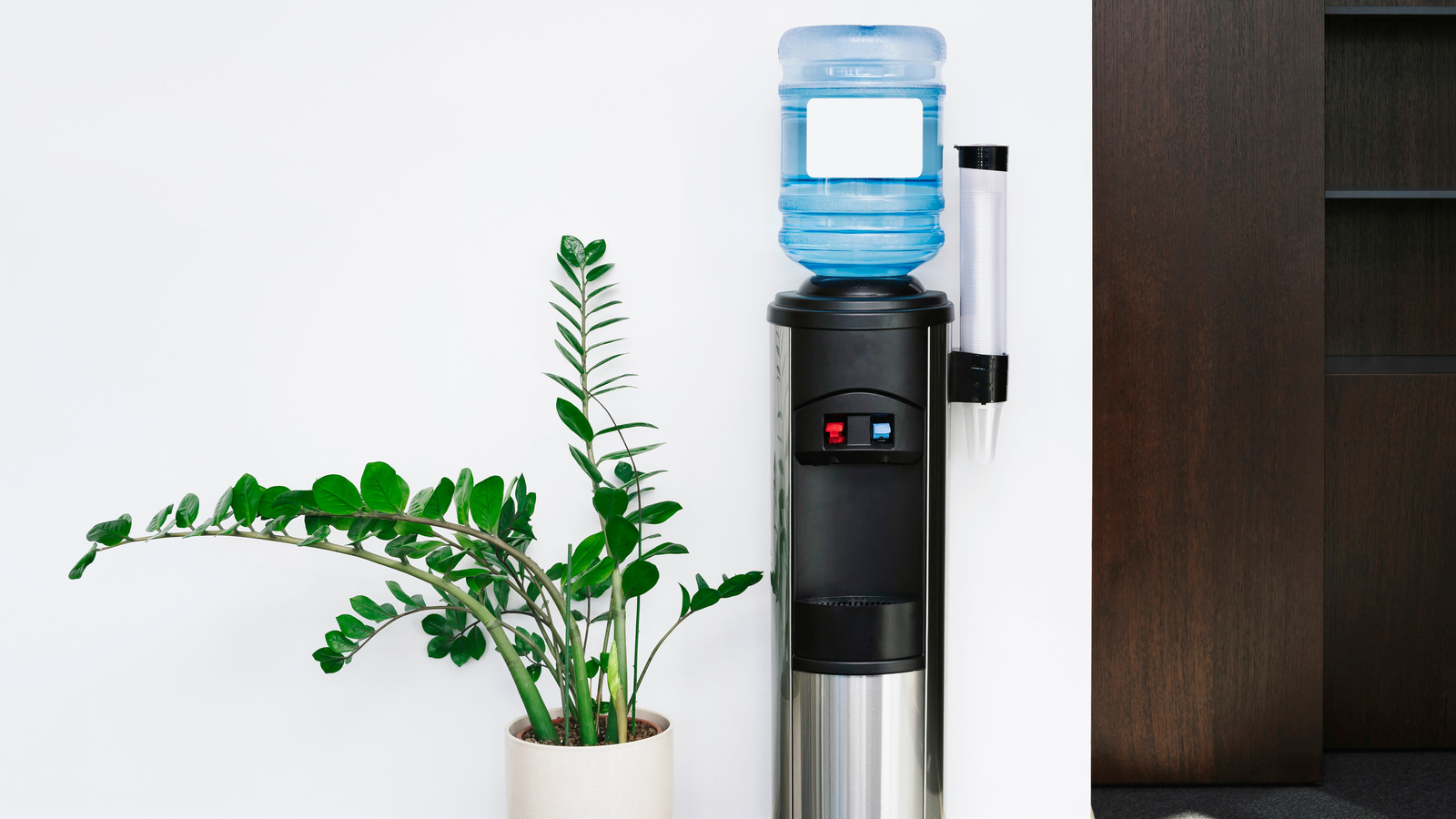
- Bottle-Based Dispensers: These use 5-gallon water bottles placed inside the unit. While convenient, the enclosed environment can harbor bacteria if not cleaned regularly.
- Direct Water Line Dispensers: Connected to a home’s plumbing system, these often include built-in filters but require professional installation.
- Filtered Dispensers: Designed to purify water using activated carbon, reverse osmosis, or UV sterilization. Their effectiveness depends on proper filter maintenance.
Common Safety Risks
Even the best dispensers can pose risks if not properly managed:
- Bacterial Growth: Stagnant water in dirty dispensers can become a breeding ground for bacteria like E. coli or Salmonella.
- Algae and Mold: Humid environments or exposed spouts may encourage algae or mold, especially if the unit is near windows or in damp areas.
- Mineral Buildup: Hard water can lead to limescale, clogging filters and altering water taste.
Maintenance and Cleaning Practices
Regular maintenance is key to safety:
- Clean Weekly: Wipe surfaces and spouts with a mild, non-abrasive cleaner. For bottle dispensers, wash the reservoir with vinegar or a food-safe sanitizer.
- Deep Clean Monthly: Use a bleach solution (1/4 teaspoon per 1 gallon of water) to scrub all internal surfaces, then rinse thoroughly.
- Replace Parts: Replace water lines, gaskets, and drip trays every 3–6 months to prevent contamination.
The Role of Filtration
If your dispenser includes a filter:
- Follow Replacement Schedules: Filters can clog or become inefficient over time. Replace them as recommended by the manufacturer (typically every 6–12 months).
- Choose the Right Filter: For municipal water, a carbon filter may suffice. For well water, consider reverse osmosis or a multi-stage system.
- Test Your Water: If unsure about your water source (e.g., well or old plumbing), have it tested for contaminants to determine the best filtration method.
Storage and Environmental Considerations
Where you place your dispenser matters:
- Cool, Dry Spaces: Avoid direct sunlight and high humidity to inhibit bacterial growth. Ideal storage temperatures are below 77°F (25°C).
- Separate Hot and Cold Water Lines: Ensure insulation between systems to prevent cross-contamination.
- Use Clean Water Sources: Start with safe water—preferably from a trusted municipal supply or pre-filtered bottled water.