
Are Water Filters Necessary in Johor Bahru?
Whether you’ve just moved into a new terrace house in Mount Austin or you’ve been living in a high-rise in the city center for years, one question eventually crosses every Johor Bahru resident's mind: “Do I really need a water filter?”
On paper, Malaysia’s Ministry of Health maintains that tap water is safe to drink directly from the faucet. However, if you look around any neighborhood in JB, you’ll notice that almost every household has an outdoor "rocket" filter or an indoor dispenser like Coway, Cuckoo, or an RO system.
So, are we just being over-cautious, or is there a genuine need? Let’s dive into the reality of Johor Bahru’s water quality.
1. The "Source vs. Tap" Reality Gap
The water treated by Ranhill SAJ (Johor’s water utility provider) usually meets World Health Organization (WHO) standards when it leaves the treatment plant. However, the journey from the plant to your kitchen sink is a long one.
Johor Bahru is an aging city in many areas. Many of the underground pipes are decades old and made of iron. Over time, these pipes corrode. By the time the water reaches your home, it can pick up:
- Rust and sediment
- Sand and silt
- Microplastics
If you’ve ever seen the water turn a muddy brown after a local pipe repair or heavy rain, you’ve seen this "secondary contamination" in action.
2. The Chlorine Factor
To ensure water remains "safe" and bacteria-free as it travels through aged pipes, a significant amount of chlorine is added. While chlorine is excellent at killing pathogens, it has two major downsides:
- Taste and Odor: It makes the water taste like a swimming pool, which ruins the flavor of your morning Kopi or tea.
- Skin and Hair: High chlorine levels can strip natural oils from your skin and hair, leading to dryness or irritation—especially for those with sensitive skin or eczema.
3. Aging Storage Tanks
In many of JB’s older apartments and condominiums, water is stored in large roof tanks before being gravity-fed to your unit. If these tanks aren't cleaned regularly, they can become breeding grounds for bacteria, algae, or even accumulate a layer of "sludge" at the bottom. A water filter acts as your final line of defense against these localized contaminants.
4. Peace of Mind for Families
For households with infants, the elderly, or people with weakened immune systems, a water filtration system isn't just about taste; it’s about safety. Removing traces of heavy metals (like lead from old soldering) and ensuring the removal of cysts and bacteria provides a layer of health security that the "straight-from-the-tap" method simply can't guarantee.
Which Filter Should You Choose?
If you’ve decided that a filter is necessary, there are generally two types you should consider for a JB home:
A. Outdoor (Point-of-Entry) Filters
These are the large canisters installed near your water meter.
- Purpose: To "pre-filter" all the water entering your house.
- Benefit: It stops sand, rust, and mud from entering your washing machine, water heater, and indoor taps. This extends the lifespan of your household appliances.
B. Indoor (Point-of-Use) Filters
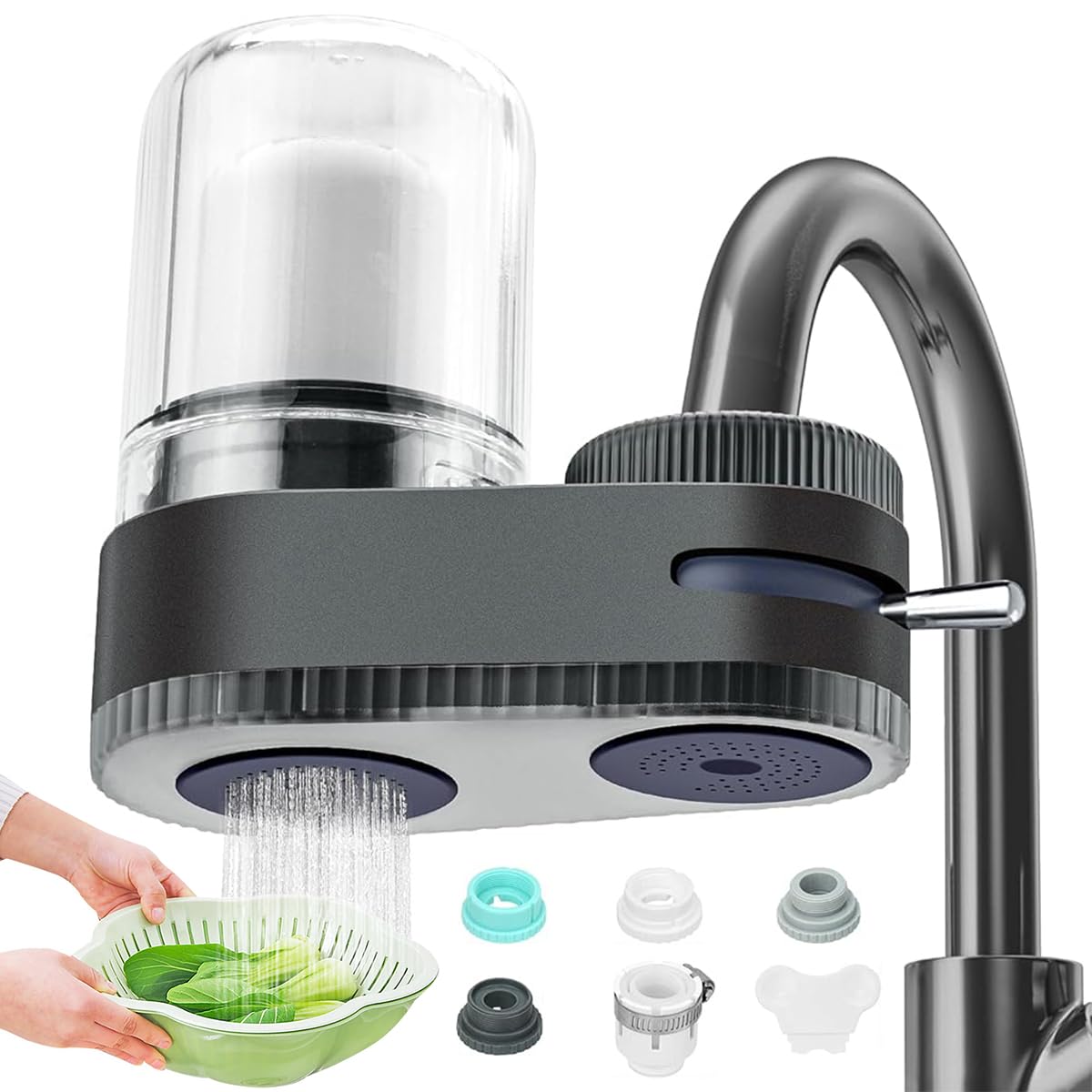
These are installed at your kitchen sink (either under-sink or countertop dispensers).
- Purpose: To make the water drinkable.
- Options:
- Activated Carbon: Great for removing chlorine and bad tastes.
- Reverse Osmosis (RO): Removes almost everything, including minerals and heavy metals.
- Ultra-filtration (UF): Removes bacteria and viruses while keeping natural minerals.
The Verdict: Is it Necessary?
In short: Yes.
While you likely won't get immediate "poisoning" from drinking JB tap water, the long-term presence of chlorine, rust, and sediments makes it less than ideal.
Our Recommendation:
- If you are on a budget: At the very least, get a decent indoor carbon filter or a ceramic filter to remove chlorine and sediments for drinking and cooking.
- If you own your home: Invest in an outdoor sediment filter AND an indoor drinking system. This dual-layer approach protects both your appliances and your health.
Johor Bahru’s water might be "safe" by official definitions, but for the best tasting coffee and the healthiest skin, a filter is a small price to pay for top-tier water quality.