
Do You Really Need a Water Dispenser in Your Life?
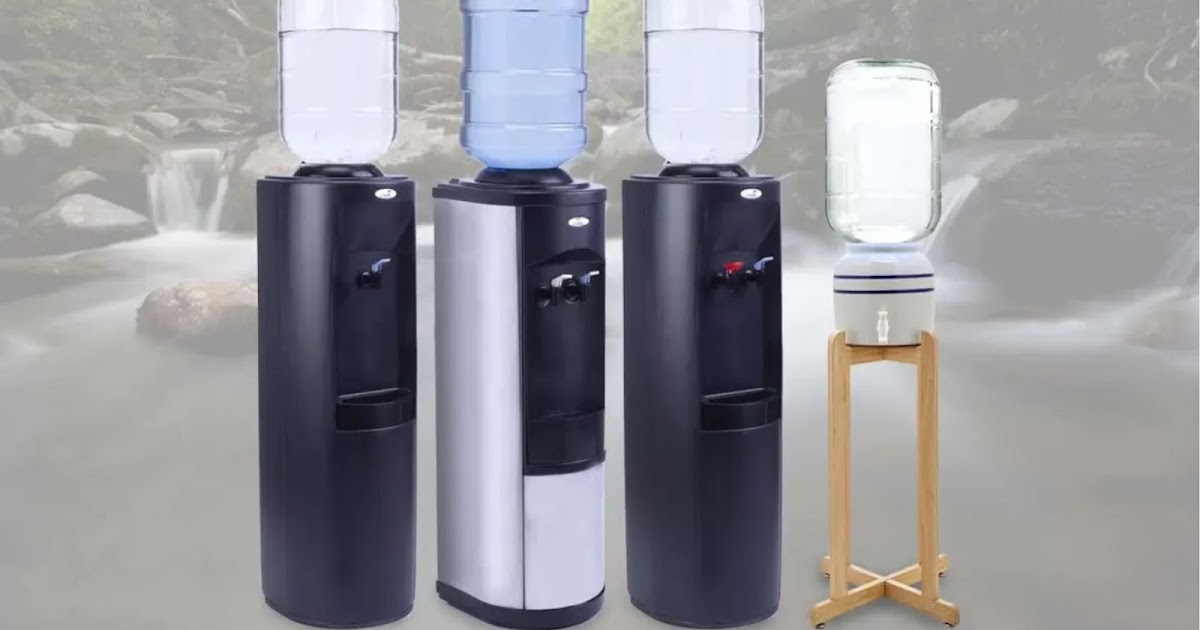
Do You Really Need a Water Dispenser in Your Life?
We’ve all seen them: the sleek, modern water dispensers sitting in corporate offices, waiting rooms, and perhaps in the kitchen of that one friend who seems to have their life perfectly together.
For a long time, the water dispenser was seen as a luxury item or an "office-only" necessity. But lately, more households are making the switch. If you’re currently standing in your kitchen, staring at your tap or a pile of plastic bottles, you might be wondering: Is this actually worth the counter space?
Let’s dive into whether or not a water dispenser belongs in your home.
1. The Convenience Factor (The "Zero-Effort" Hydration)
The biggest selling point of a water dispenser is, without a doubt, convenience. If you have an instant hot/cold dispenser, you’re looking at immediate access to chilled water for a refreshing drink or near-boiling water for your morning tea or instant oatmeal.
No more waiting for the kettle to boil, and no more playing "Tetris" with bulky water pitchers in your crowded refrigerator. If you or your family struggle to drink enough water, having it readily available at the perfect temperature often acts as a visual prompt to keep hydrating.
2. The Sustainability Angle
If your household relies on single-use plastic bottles, a water dispenser is a massive win for the planet. Switching to a dispenser with a large, refillable jug (or a direct-pipe filtration system) removes hundreds of plastic bottles from your personal waste stream every year.
Even if you’re already using a refillable bottle, a dispenser makes the process of filling it up seamless. It removes the "friction" that causes us to reach for an easier, less eco-friendly alternative.
3. The Quality of Your Water
For those living in areas where tap water tastes like a swimming pool—or where the plumbing is aging—a water dispenser is a game-changer. Most modern dispensers come with multi-stage filtration systems that remove chlorine, heavy metals, and sediments.
It’s essentially a high-capacity filter that ensures every glass you drink is crisp, clean, and tastes better than water that’s been sitting in the pipes.
4. The Aesthetics and Space
Let’s be honest: some dispensers are bulky. If you have a tiny kitchen, adding a floor-standing unit might feel like you’ve invited a giant, plastic robot to move into your home.
However, the market has evolved. You can now find sleek countertop models that fit under cabinets, or even stylish, minimalist designs that look like high-end appliances. Before you buy, measure your space. If you don't have floor room, look into "benchtop" models to see if they fit your aesthetic.
5. The "Hidden" Costs
Before you click "buy," consider the logistics:
- Maintenance: Filters need to be changed every 3–6 months.
- Electricity: While most dispensers are energy-efficient, they do stay plugged in 24/7 to maintain those temperatures.
- The Jug Struggle: If you choose a top-loading model, be prepared to lift heavy 5-gallon jugs. (Pro-tip: Bottom-loading models are a lifesaver for your back).