
Essential Steps to Plan for a Water Dispenser
Essential Steps to Plan for a Water Dispenser
Whether you’re setting up a bustling modern office, upgrading your home kitchen, or outfitting a community center, having a reliable source of clean, refreshing water is a game-changer. No more waiting for the kettle to boil or constantly refilling pitchers in the fridge.
However, walking into an appliance store (or scrolling online) and picking the first water dispenser you see can lead to buyer’s remorse. Do you need hot and cold water? Bottled or bottleless? Where will it fit?
To help you navigate your options, here are the essential steps to plan for the perfect water dispenser for your space.
Step 1: Assess Your Consumption and Users
Before looking at features or aesthetics, think about who will be using the dispenser and how much water they will drink.
- For a home: A small family of three might go through a 5-gallon jug every week or two. A countertop model might suffice.
- For an office: A busy workplace with 20+ employees will need a heavy-duty machine—likely a bottleless, direct-line dispenser—that can handle continuous demand without needing constant refills.
Step 2: Choose Your Water Source (Bottled vs. Bottleless)
This is the most critical decision in your planning process. Each option has distinct pros and cons:
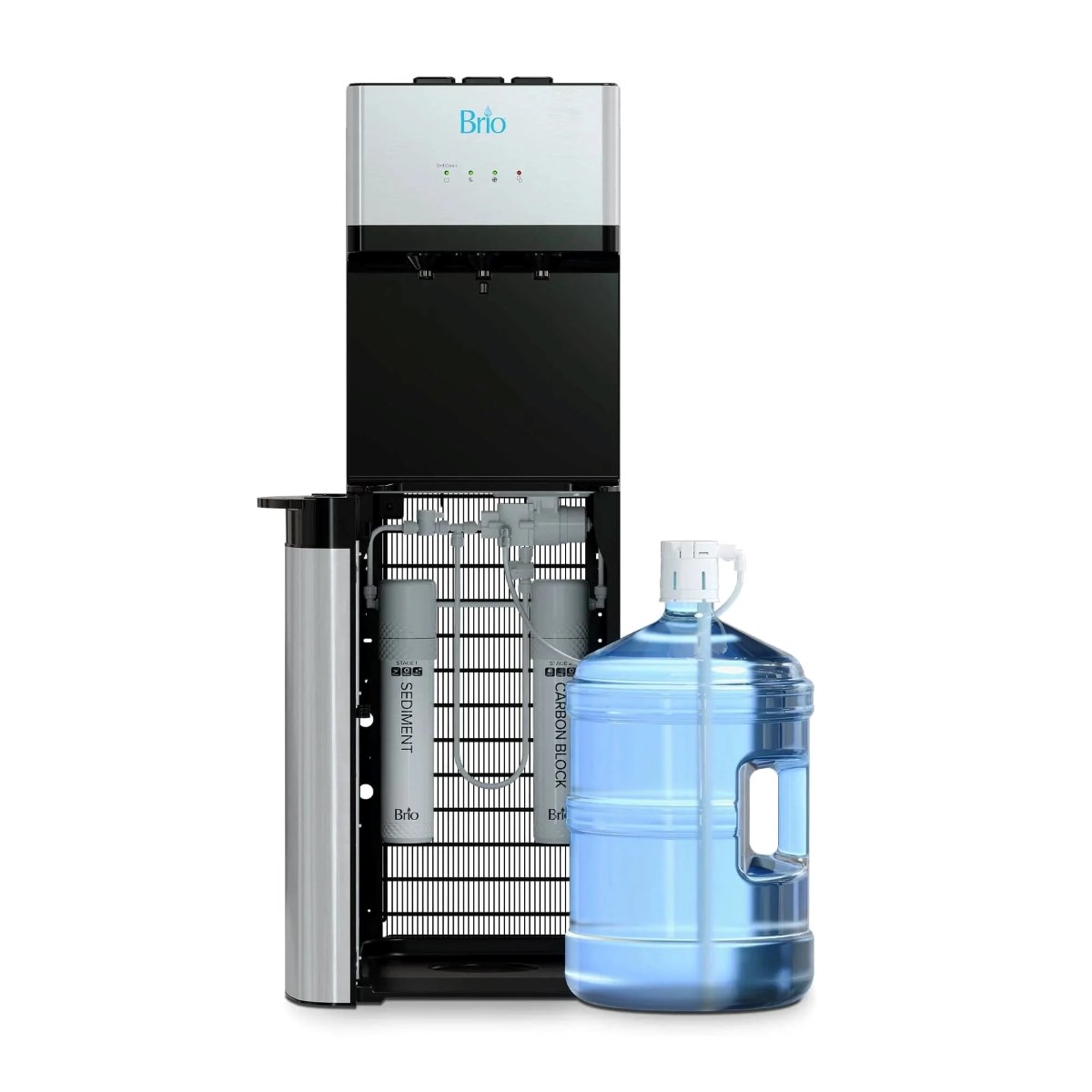
- Top-Loading or Bottom-Loading Bottled Dispensers:
- Pros: Easy to install, highly portable, and you can switch between spring, distilled, or purified water brands.
- Cons: You have to store heavy replacement jugs, and top-loaders require heavy lifting to swap out empty bottles (though bottom-loaders solve this issue).
- Bottleless (Point-of-Use) Dispensers:
- Pros: Connected directly to your water line, meaning endless water with zero heavy lifting or bottle storage required. Usually includes advanced multi-stage filtration.
- Cons: Requires professional installation near a water source and a drain (if possible), and has a higher upfront cost.
Step 3: Determine Temperature Needs
Gone are the days when water coolers only offered "room temperature" and "chilly." Today’s dispensers cater to every beverage preference:
- Cold Water: A must-have for hot summer days and workouts.
- Hot Water: Perfect for tea, instant coffee, oatmeal, and instant soups. (Look for a "child safety lock" on the hot water tap if you have toddlers around).
- Room Temperature: Great for cooking or for those who prefer not to drink ice-cold liquids.
- Sparkling Water: Premium models now offer carbonated options on tap!
Step 4: Measure Your Space
It sounds simple, but it’s a frequently overlooked step. Nothing is more frustrating than buying a sleek new appliance only to find it blocks a doorway or is too tall for the designated counter.
- Floor-Standing Units: Measure the floor footprint and ensure there is enough clearance around the unit for ventilation. If you are buying a top-loading bottle dispenser, make sure your ceiling isn't too low to lift and invert a 5-gallon jug into the top.
- Countertop Units: Measure the height between your countertop and upper cabinets. Remember, you’ll need enough vertical clearance to place a travel mug or tall water bottle under the spouts.
Step 5: Consider Filtration and Maintenance
Water quality matters. Depending on your chosen model, you need to plan for ongoing maintenance:
- For Bottled Units: Maintenance is low—just routine sanitization of the reservoir every few months.
- For Bottleless Units: You will need to budget for and schedule filter replacements (usually every 6 to 12 months, depending on your local water quality). Check how easy it is to access and change the filters on the model you are considering.
Step 6: Factor in Safety and Special Features
Think about the environment where the dispenser will live and what extra features might make life easier:
- Child Safety Locks: Essential for the hot water tap in homes with kids.
- Energy Star Ratings: Water dispensers run 24/7 to keep water hot or cold. Look for energy-efficient models with "eco-modes" or sleep timers to keep your electricity bills in check.
- Self-Cleaning Technologies: Some advanced models use UV light or ozone to sanitize the internal reservoirs automatically, reducing bacteria and algae growth.