
How Can I Filter Suppliers for Better Results?
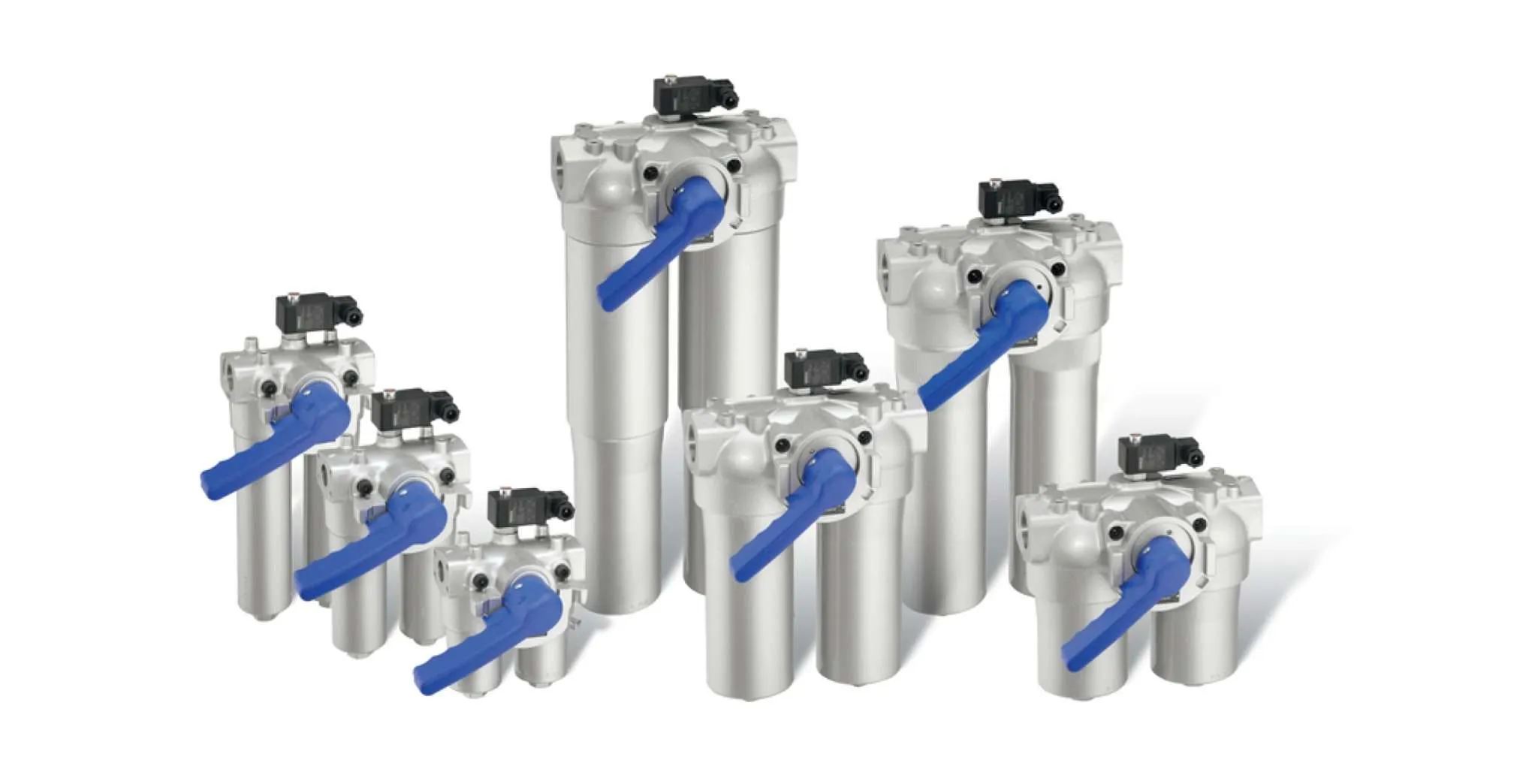
From Chaos to Quality: How to Filter Suppliers for Better Results
In the modern supply chain, your business is only as strong as your weakest supplier. Whether you are sourcing raw materials, manufacturing components, or looking for logistics partners, the process of finding the right vendor is often overwhelming. With hundreds of potential partners just a Google search away, how do you cut through the noise?
If you want better results—higher quality, faster lead times, and lower risks—you need a strategic filtering process. Here is how to move from a long list of prospects to a shortlist of elite partners.
1. Define Your "Non-Negotiables" (The Baseline Filter)
Before you start auditing websites, define the threshold of what makes a supplier "viable." If you don’t have these hard criteria, you’ll waste time talking to companies that are fundamentally incompatible with your business.
Geographic constraints: Do you need them in a specific time zone for communication, or near your warehouse for shipping costs?Capacity limits: Can they handle your minimum order quantity (MOQ)? If you need 10,000 units and their max capacity is 500, move on immediately.Certifications: Do they hold the necessary industry certifications (ISO, FDA, Fair Trade, etc.) required for your specific product market?
2. Assess Financial Stability
A supplier might look perfect on paper, but if they are struggling financially, they are a risk to your business. A supplier in financial distress may cut corners on quality or fail to secure raw materials on time.
Check credit reports: Use services like Dun & Bradstreet to pull a credit profile.Longevity: How long have they been in business? While startups can be innovative, experienced suppliers have already navigated supply chain "growing pains."
3. Conduct the "Communication Test"
The quality of a supplier’s communication during the discovery phase is a direct reflection of how they will handle a crisis.
Responsiveness: How long does it take for them to reply to an email? If they are slow when they are trying to win your business, imagine how slow they will be when you have a problem.Clarity: Is their English (or your preferred common language) sufficient? Do they understand your technical requirements, or do they give vague, generic answers?
4. Look Beyond Pricing (The Total Cost of Ownership)
One of the biggest mistakes businesses make is filtering solely by the lowest unit price. This is a trap. Always calculate the Total Cost of Ownership (TCO).
Hidden Costs: What are the shipping terms (Incoterms)? Are there extra costs for quality inspections, packaging, or long transit times that hurt your cash flow?Defect Rates: A cheap supplier is expensive if 10% of their shipment arrives broken. Ask for their specific Quality Assurance (QA) metrics and defect percentages.
5. Verify Social Proof and References
Never rely solely on a supplier’s self-promotion. You need to hear from the people who have actually worked with them.
Ask for references: Don't just ask for a phone number; ask for a reference from a client within your industry who orders at your scale.Check independent platforms: Look at trade directories, LinkedIn recommendations, and specialized industry forums. Use sites like Thomasnet, Alibaba’s Trade Assurance, or global sourcing platforms that offer verified supplier badges.
6. Start with a "Pilot Batch"
Once you’ve narrowed it down to two or three finalists, don’t sign a massive contract immediately.
Run a small order: Place a manageable pilot order. Use this as a test of their lead times, packaging quality, communication during shipping, and the actual quality of the final product.Test the "Troubleshooting" process: Deliberately ask a difficult question or request a minor change during the pilot process to see how their customer service team handles it.