
How Does a Self-Cleaning Water Dispenser Work?
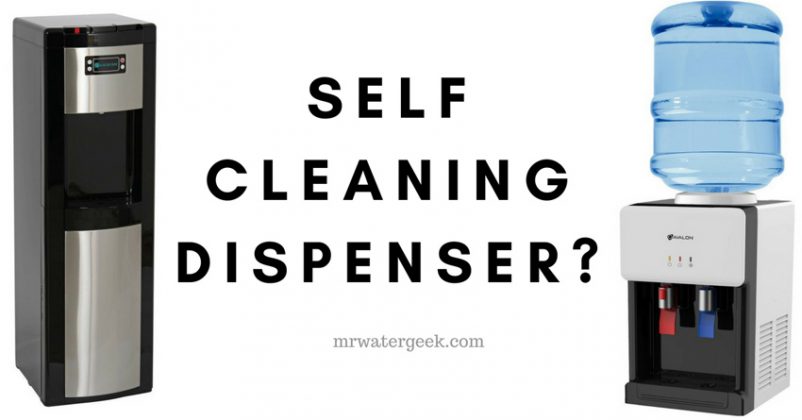
How Does a Self-Cleaning Water Dispenser Work?
We all know the convenience of having a water dispenser in the office or at home. But there is one age-old chore that often gets neglected: cleaning the unit. If left unwashed, water dispensers can become a breeding ground for bacteria and mineral buildup.
Enter the self-cleaning water dispenser. It sounds like a futuristic luxury, but it’s actually a brilliant application of basic science. If you’ve ever wondered what’s happening under the hood (or behind the buttons) when you hit that "self-clean" switch, here is the breakdown.
The Secret Ingredient: Ozone (O3)
The vast majority of modern self-cleaning water dispensers don’t use soap or scrub brushes. Instead, they use a process called Ozonation.
Inside the unit, there is a small device called an ozone generator. When you activate the cleaning cycle, this generator pulls oxygen (O2) from the surrounding air and converts it into ozone (O3) through a high-voltage electrical discharge.
The 3-Step Cleaning Process
Once the ozone is generated, the dispenser follows a simple, automated routine:
1. Injection
The ozone gas is injected directly into the water reservoir and the internal pipes. Because ozone is a powerful natural oxidant, it is incredibly effective at killing bacteria, viruses, and molds that might be clinging to the inner surfaces of the tank.
2. Sanitation
The ozone bubbles travel through the entire water path. It breaks down the cell walls of microorganisms and neutralizes biofilm (that slimy layer that can develop in stagnant water). Unlike bleach or harsh chemicals, ozone is highly reactive and doesn't leave behind toxic chemical residues.
3. Conversion
Here is the best part: ozone is unstable. After it has done its job of killing bacteria, it naturally breaks down and reverts back into standard oxygen (O2). By the time you pour your next glass of water, the cleaning agent has completely disappeared, leaving you with nothing but crisp, clean, oxygenated water.