
How to Choose the Right Supplier Dispenser for Malls
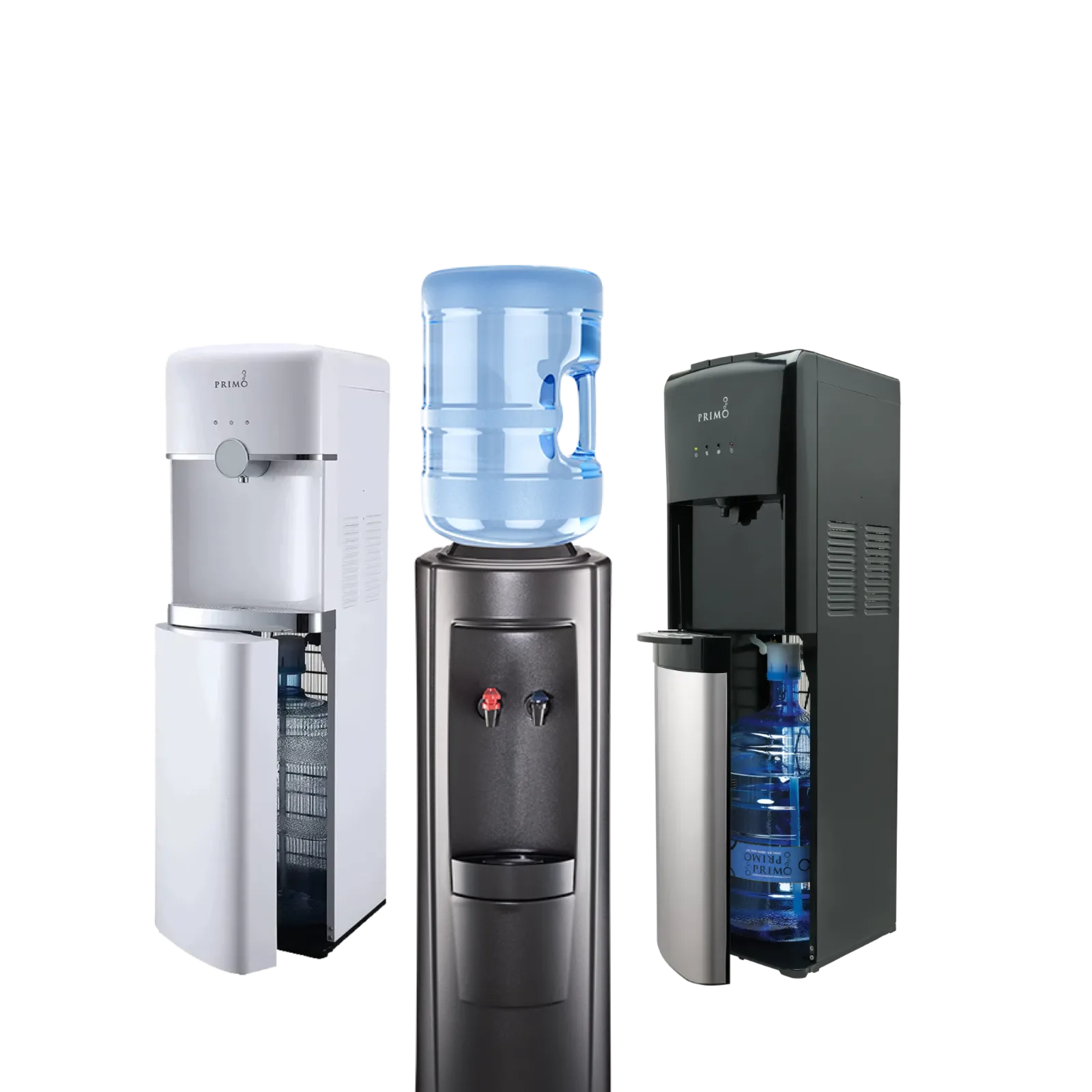
Elevating the Mall Experience: A Guide to Choosing the Right Supplier Dispenser
In the high-traffic environment of a modern shopping mall, efficiency and hygiene are non-negotiable. Whether it’s hand sanitizer stations at the entrances, soap dispensers in the restrooms, or paper towel units in the food courts, the dispensers you choose speak volumes about your mall’s commitment to customer care.
But with thousands of options on the market, how do you narrow it down? Choosing the right supplier and the right equipment is about more than just aesthetics—it’s about durability, maintenance, and the overall user experience.
Here is your guide to picking the perfect supplier dispenser solution for your shopping center.
1. Durability is King
Malls are high-traffic environments. A dispenser that works in a quiet office will likely fail in a bustling shopping center within weeks.
- Material Matters: Look for high-impact, vandal-resistant plastic or brushed stainless steel. Stainless steel is often the best choice for high-end malls, as it is durable, easy to clean, and provides a sleek, professional look.
- Locking Mechanisms: Ensure all dispensers have integrated locking systems to prevent tampering and unauthorized refilling.
2. Prioritize Touch-Free Technology
In a post-pandemic world, touchless is the industry standard. Automatic, sensor-operated dispensers reduce the spread of germs and demonstrate that your facility prioritizes the health of your shoppers.
- Battery Life: Check the battery life specs. In a busy mall, you don't want your facilities team changing batteries every week. Look for "energy-efficient" models or those with high-capacity power units.
3. Capacity and Maintenance Efficiency
The goal of a good dispenser is to reduce the workload for your janitorial staff.
- High-Capacity Options: For malls with high foot traffic, choose dispensers with large reservoirs (especially for soap and sanitizer). This minimizes the frequency of refills.
- Monitoring Features: Some advanced dispensers feature "smart" technology that alerts your maintenance team via an app when levels are low. This prevents the "empty dispenser frustration" that shoppers often experience.
4. Design and Aesthetics
A dispenser should blend into the architectural aesthetic of your mall, not stand out like a sore thumb.
- Branding: Does the supplier offer custom branding options? Many premium malls choose dispensers that match their interior design scheme (e.g., matte black for industrial-chic, brushed nickel for modern luxury).
- Consistency: Keep the design theme consistent throughout the mall. Using the same brand and model of dispenser in the restrooms and food courts creates a cohesive visual experience.
5. Evaluating the Supplier (Beyond the Product)
You aren't just buying a product; you’re entering a long-term service relationship. When vetting a potential supplier, ask these three questions:
- What is the lead time on consumables? There is nothing worse than having a dispenser on the wall that you cannot find the right paper or soap refills for. Ensure the supplier has a reliable, local distribution chain.
- What is the warranty and support policy? In the event of a sensor failure or a broken mechanism, how fast can they provide a replacement part?
- Are they environmentally conscious? Does the system reduce waste? For example, dispensers that control the length of paper towel dispensed can significantly reduce paper consumption and waste costs over the year.
6. The "Test Drive"
Before committing to a mall-wide rollout, request a pilot program. Install the dispensers in one select restroom or high-traffic hallway for two weeks. Ask your janitorial staff:
- Is it easy to reload?
- Does it jam?
- Is it easy to keep clean?