
Is a Water Dispenser Worth It? Explore the Pros and Cons
Is a Water Dispenser Worth It? Exploring the Pros and Cons for Your Home or Office
We’ve all been there: staring into the refrigerator, waiting for the tap water to get cold, or endlessly wrestling with recycling bins overflowing with plastic water bottles.
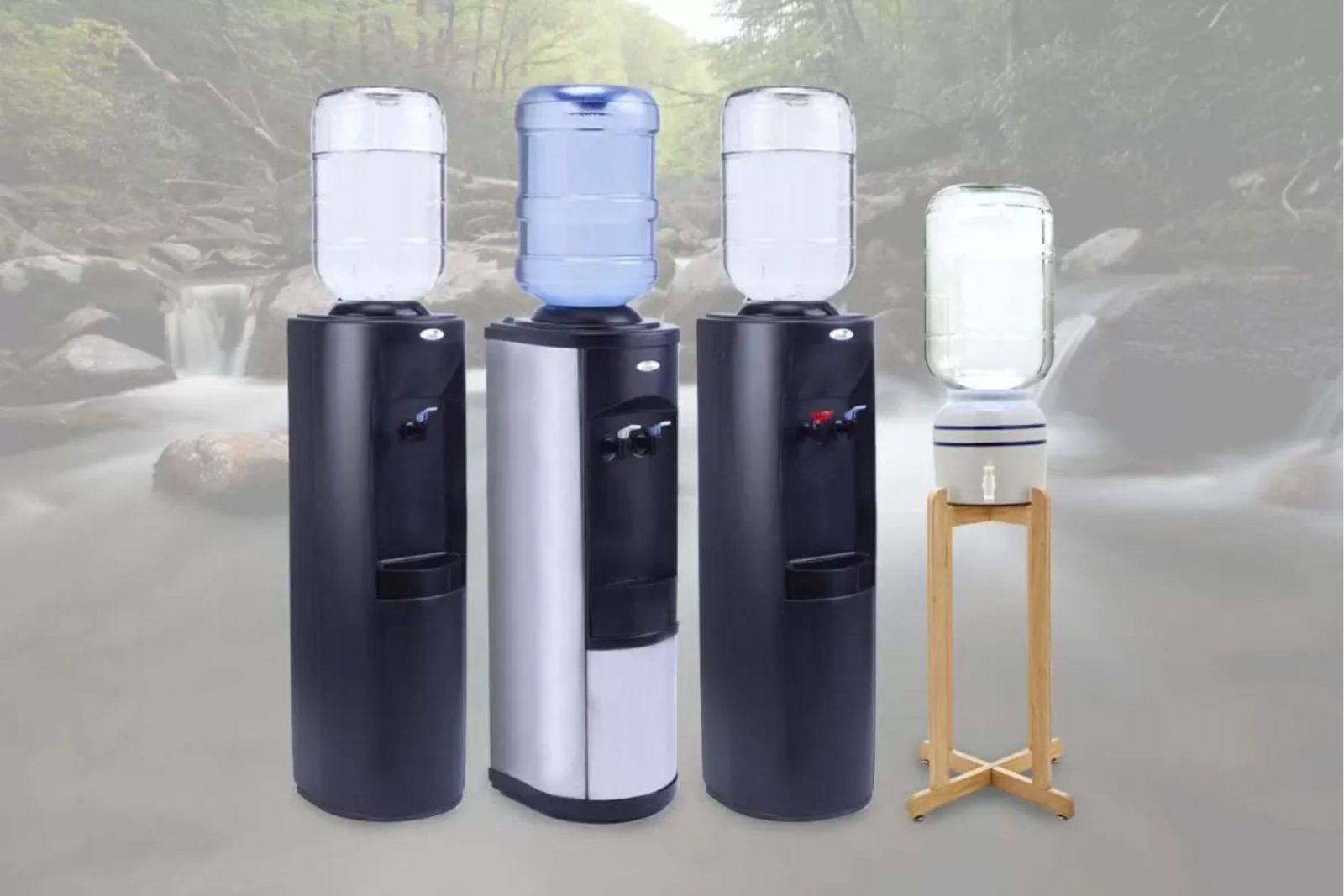
Enter the water dispenser. Whether it’s the classic top-loading ceramic crock, a sleek bottom-loading cooler, or a modern bottleless system hooked straight to your plumbing, these machines are a staple in offices and increasingly popular in homes.
But with so many options on the market, the big question remains: Is a water dispenser actually worth it?
Let’s break down the pros and cons to help you decide if it’s the right fit for your household or workspace.
The Pros: Why You’ll Love a Water Dispenser
1. Instant Gratification (Hot and Cold on Demand)
The single biggest selling point of a water dispenser is temperature control. Craving a steaming cup of tea, instant oatmeal, or hot cocoa? You don’t have to wait for the kettle to boil. Want crisp, ice-cold water on a sweltering summer afternoon? It’s available instantly with the press of a paddle.
2. Better Hydration Habits
Out of sight often means out of mind when it comes to tap water. When a water cooler is easily accessible, people naturally drink more water. Families and employees alike report staying better hydrated simply because the water tastes better and is so easy to pour.
3. Superior Taste and Purity
Most water dispensers utilize multi-stage filtration systems (especially bottleless models) or high-quality jug water (like spring or purified water). This drastically reduces chlorine, heavy metals, sediment, and weird metallic tastes often found in standard tap water.
4. Eco-Friendly (Compared to Single-Use Bottles)
If your household goes through cases of single-use plastic water bottles every week, a dispenser is a massive upgrade for the planet. Using a 5-gallon jug or a filtered bottleless system eliminates hundreds of plastic bottles from ending up in landfills and oceans every year.
The Cons: The Downsides to Consider
1. Ongoing Costs
While the initial purchase of the machine might not break the bank, the running costs can add up. If you use traditional 5-gallon jugs, you have to factor in the recurring cost of buying or exchanging the water. If you choose a bottleless plumbed-in model, you’ll still need to pay for periodic replacement filters.
2. The Heavy Lifting (Literally)
If you opt for a traditional top-loading dispenser, be prepared for a minor upper-body workout. Lifting a heavy 40-pound 5-gallon jug, flipping it over, and trying to guide it onto the spike without flooding your kitchen floor is a dreaded chore for many. (Note: Bottom-loading models solve this issue entirely, but they tend to cost a bit more.)
3. Maintenance and Cleaning
Water dispensers are breeding grounds for bacteria, mold, and algae if they aren’t cleaned regularly. The reservoirs, spigots, and drip trays need to be sanitized every few weeks, and filters need to be changed on schedule. If neglected, your "pure" water can quickly become anything but.
4. Space and Aesthetics
Water dispensers take up valuable floor or counter space. While manufacturers have made them sleeker and more modern over the years, a large plastic cooler can still look a bit out of place in a minimalist kitchen or a cozy living room.
The Verdict: Is It Worth It?
A water dispenser is worth it if:
You and your family drink massive amounts of water every day.You love the convenience of instant hot water for cooking and hot beverages.Your tap water tastes unpleasant, and you want a reliable filtration method without installing an expensive under-sink reverse osmosis system.You want to cut down on single-use plastic waste.
A water dispenser might NOT be worth it if:
You have great-tasting tap water and already own a simple pitcher filter (like a Brita).You have limited kitchen counter or floor space.No one in your house wants to deal with the hassle of cleaning the machine or lifting heavy jugs.