
Is a Water Dispenser Worth It for Your Home?
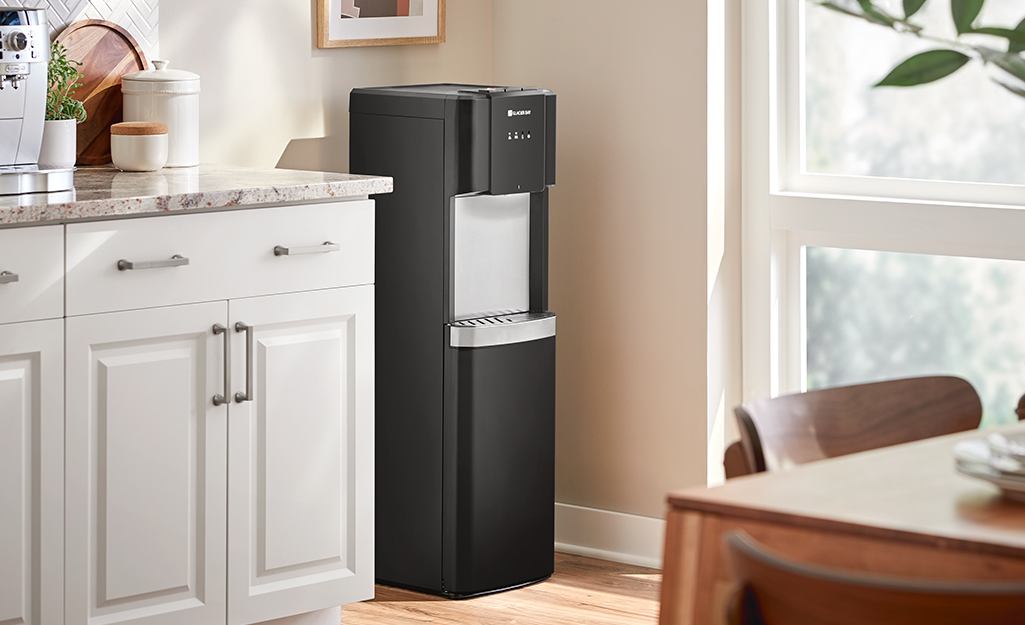
Is a Water Dispenser Worth It for Your Home? The Ultimate Truth Revealed
Let’s be honest: how many times have you walked to the fridge, opened it, stared blankly at the shelves, and debated whether the Brita pitcher was actually refilled, or if you were just going to drink lukewarm tap water out of desperation?
We’ve all been there.
In our quest for better hydration, the household water situation gets surprisingly complicated. Tap water doesn't always taste great, bottled water is expensive and terrible for the environment, and fridge filters seem to expire the moment you install them.
Enter the home water dispenser. Once reserved exclusively for drab corporate breakrooms, these sleek machines are making a massive comeback in residential kitchens. But are they actually worth the counter space and investment, or just another appliance that will end up collecting dust?
Let’s dive into the pros, cons, and reality of owning a home water dispenser.
The Perks: Why People Love Them
1. Instant Gratification (Hot and Cold)
The biggest game-changer of a modern water dispenser isn't just cold water—it’s the hot water feature. Imagine making morning tea, French press coffee, instant oatmeal, or baby formula in seconds without waiting for a kettle to boil. For busy households, this time-saver alone is often worth the price of admission.
2. You’ll Actually Drink More Water
Out of sight, out of mind applies heavily to hydration. When crisp, filtered water is readily available at the push of a button, people naturally drink more of it. Kids, especially, love using dispensers, which turns staying hydrated into a fun habit rather than a chore.
3. Say Goodbye to Single-Use Plastics
If your household relies on cases of bottled water, a dispenser is a massive eco-friendly upgrade. Even if you use a 3-to-5-gallon reusable jug, you are eliminating hundreds of plastic water bottles from landfills and oceans every year.
4. Better Taste, Better Health
Most standard tap water contains chlorine, sediment, and trace minerals that affect flavor. Dispensers equipped with good filtration systems (or those connected directly to your plumbing) strip out these impurities, leaving you with crisp, clean water that tastes refreshing.
The Pitfalls: What to Consider Before Buying
1. The Space Commitment
Water dispensers have a footprint. Traditional bottom-loading or top-loading units take up floor space in your kitchen, while countertop models eat up valuable real estate where you might normally prep food or keep your coffee maker.
2. Maintenance and Cleaning
Machines that dispense water also cultivate moisture, which means they require regular cleaning. If you don't sanitize the reservoir and spouts regularly, mineral buildup, mold, or bacteria can become an issue. (Pro tip: Look for models with self-cleaning UV-C light features if you want to minimize maintenance).
3. The Ongoing Cost of Jugs (or Installation)
If you opt for a traditional bottled water dispenser, you have to factor in the recurring cost of buying or exchanging heavy 5-gallon jugs. Alternatively, if you buy a plumbed-in (bottleless) system, you’ll need to pay for professional installation and periodic filter replacements.
4. The Noise Factor
Some compressors can be a bit noisy when chilling water, kicking on randomly in the middle of the night. If your kitchen is right next to your bedroom, you’ll want to check reviews for quiet operation.