
Revolutionize Your Water Consumption with a Filter Dispenser
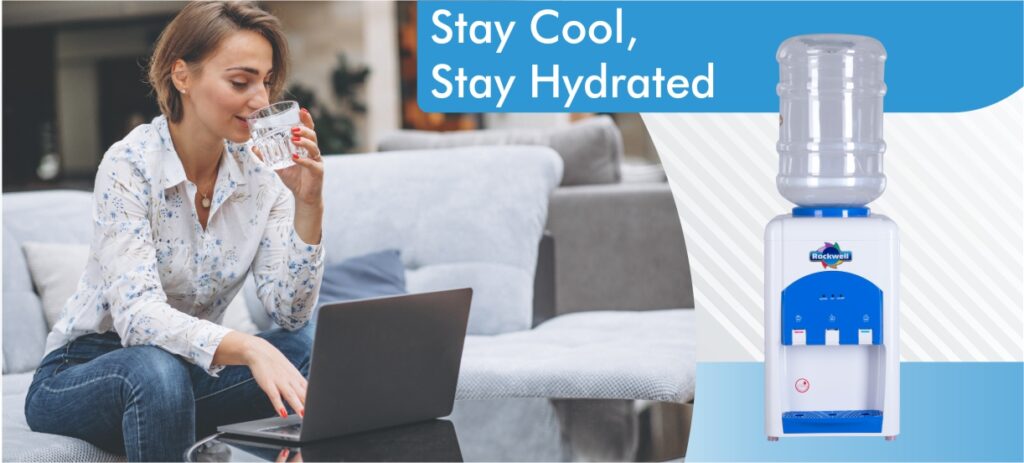
Revolutionize Your Water Consumption with a Filter Dispenser
Water is essential to life, yet many of us still reach for bottled water out of habit or convenience, unaware of the hidden costs—both to our wallets and the planet. The good news? A simple upgrade to a filter dispenser can revolutionize your water consumption, offering cleaner, safer water while reducing plastic waste and saving you money. Let’s dive into how this modern solution can transform your home and habits.
What Is a Filter Dispenser?
A filter dispenser is a countertop or under-sink device that integrates a high-quality water filtration system with a built-in dispenser. It removes contaminants like lead, chlorine, bacteria, and microplastics, all while letting you dispense water at different temperatures—cold, room temperature, or hot, depending on your needs. Unlike traditional pitchers or gravity filters, these systems deliver water on demand, making hydration effortless.
Why Go the Filter Dispenser Route?
1. Healthier Hydration, Every Time
Tap water often contains impurities that affect taste and safety. A filter dispenser uses advanced technologies like activated carbon, UV purification, or reverse osmosis to remove harmful particles, ensuring every sip is pure and great-tasting. With certifications like NSF or EPA for water filtration, these devices meet rigorous standards, giving you peace of mind.
2. Convenience at Your Fingertips
No more waiting for a pitcher to filter or boiling water for tea. A filter dispenser offers instant access to clean water, right from your kitchen. Some models even include smart technology, like app connectivity to track water quality or remind you when to replace filters.
3. Save Money, Long-Term
The average household spends $100–$150 annually on bottled water. A filter dispenser, with a one-time installation cost and affordable filter replacements (typically $50–$100 every 6–12 months), cuts this expense dramatically. Think of the savings as a monthly subscription to your health!
4. Protect the Planet
Around 8 million tons of plastic waste enter oceans yearly, much from single-use water bottles. By switching to a filter dispenser, you can eliminate hundreds of plastic bottles from your household annually, drastically reducing your environmental footprint.
How It Works: Simple and Efficient
Filter dispensers use layers of filtration to trap contaminants. For example:
- Activated Carbon Filters: Remove chlorine, sediment, and volatile organic compounds (VOCs).
- Reverse Osmosis (RO) Systems: Eliminate 99% of dissolved solids, heavy metals, and microbes.
- UV Light Purification: Kills bacteria and viruses without chemicals.
Most units are easy to install and maintain. Filters are replaced every 6–12 months (based on usage) and require no plumber—just a quick DIY swap.
Cost-Effective and Eco-Friendly: The Numbers Speak
- Cost per Liter (Bottled Water): ~$1.20
- Cost per Liter (Filtered Dispenser): ~$0.005 (after initial setup)
By using a filter dispenser, you cut costs by over 99% in just a year. Plus, you’ll prevent 1,500+ plastic bottles from ending up in landfills.
Modern Tech Meets Everyday Living
Today’s filter dispensers come loaded with smart features:
- Multi-Temperature Dispensers: Ice water and hot water for tea or instant soup, all in one device.
- Self-Cleaning Options: Prevent bacterial buildup for hygiene.
- Mobile App Integration: Monitor water usage and filter life from your phone.