
The Hidden Flaws of Popular Water Dispensers Revealed
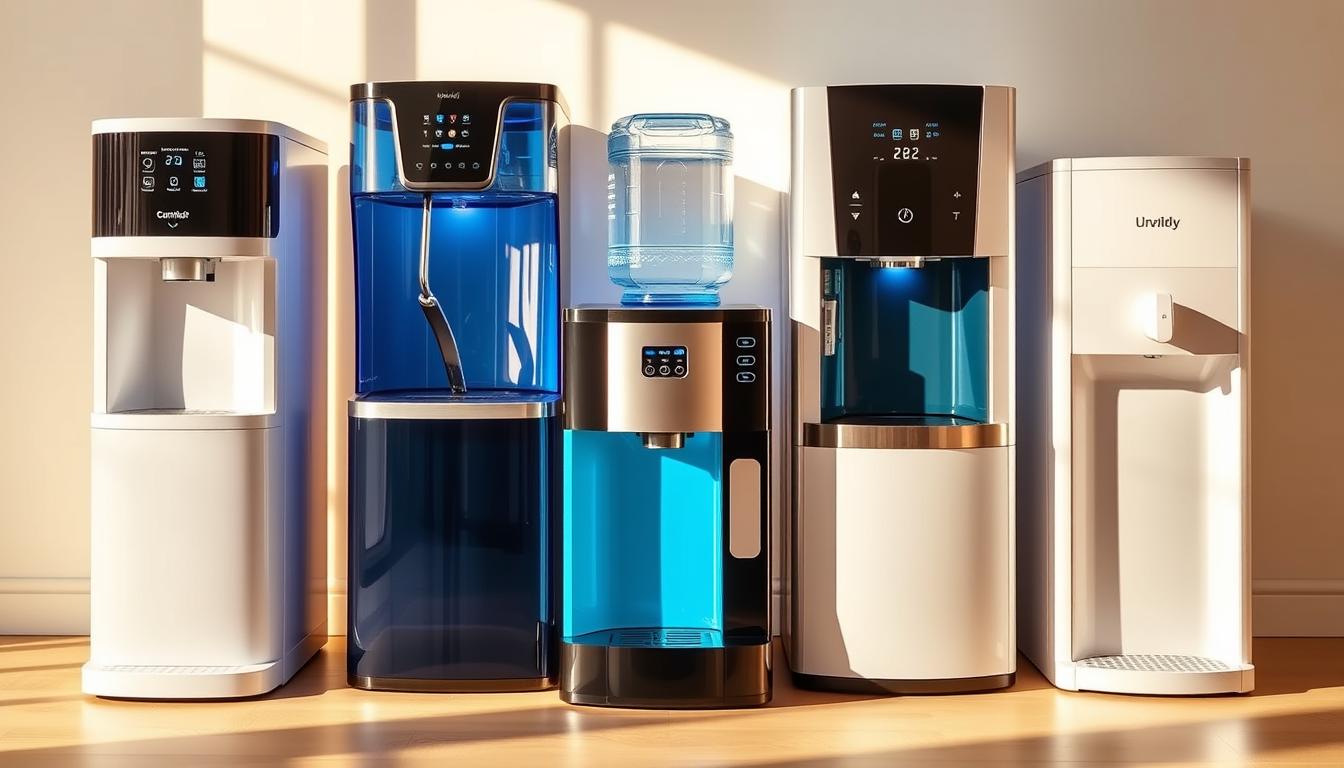
The Hidden Flaws of Popular Water Dispensers Revealed
We all rely on them. Whether it’s the sleek, humming stainless steel unit sitting in your office breakroom or the classic top-loading plastic jug dispenser in your kitchen, these machines are the unsung heroes of daily hydration. They promise crisp, filtered, and easily accessible hot and cold water at the push of a button.
But have you ever stopped to wonder what’s actually living inside that machine?
While we trust our water dispensers to provide pure, healthy refreshment, the reality lurking beneath the plastic housing and shiny spigots might make you think twice before your next sip.
Behind the convenience of popular water dispensers lies a series of hidden flaws that manufacturers rarely talk about—and they could be compromising your health. Here is what the bottled water and filtration industries don't want you to know.
1. The Hidden Microbiological Jungle (Biofilm)
If you’ve ever looked inside the reservoir of a water dispenser that hasn't been cleaned in a few months, you might have experienced a shudder.
Popular misconception dictates that because the water going in is purified, the inside of the machine stays sterile. In reality, water dispensers are warm, dark, and constantly exposed to air—the absolute trifecta for bacterial growth.
Over time, bacteria, yeast, and mold form a slimy, microscopic layer known as biofilm on the inner surfaces of the reservoir, tubing, and spigots. Studies have found that poorly maintained office and home water coolers can harbor high levels of bacteria, including coliforms and Pseudomonas aeruginosa. Every time you pour a glass, that water washes over the biofilm, adding an invisible side of microbes to your hydration routine.
2. The Great Microplastic Invasion
Many of us switched from tap water to large 5-gallon jugs to avoid municipal contaminants. However, you might just be trading one type of pollution for another.
The vast majority of traditional water dispensers use polycarbonate or PET plastic jugs. Research has increasingly shown that these plastics—especially when exposed to heat, sunlight, or repeated handling and washing—can leach microplastics and chemical plasticizers (like BPA and phthalates) into the water.
When you use a bottom-loading or top-loading dispenser that heats the water for your tea, the thermal stress can accelerate the breakdown of these micro-particles, meaning you could be ingesting microscopic pieces of plastic with every cup.
3. The "Out of Sight, Out of Mind" Cleaning Trap
Let’s be honest: when was the last time you actually deep-cleaned and sanitized your water dispenser?
Most popular dispensers require manual disassembly, draining, scrubbing with a bleach or vinegar solution, and thorough rinsing every 3 to 6 months. Because this process is tedious, messy, and time-consuming, it almost always gets neglected.
Unlike a coffee maker that reminds you to run a descale cycle, standard water coolers offer no warning lights when they become a breeding ground for pathogens. We rely on them blindly, assuming that because the water tastes fine today, it must be clean.
4. The Chemical Trap of "Built-In" Filtration Units
Direct-pipe-line (bottleless) dispensers that hook straight into your main water line are growing in popularity because they eliminate heavy jugs. They usually come with multi-stage carbon or reverse osmosis filters.
However, these filters have a finite lifespan. Once a filter reaches its maximum capacity, it stops trapping contaminants. Worse yet, if a carbon filter is left in use past its expiration date, it can become a breeding ground for bacteria, actually releasing concentrated contaminants back into your drinking water. Many consumers fail to change these filters on schedule because replacement cartridges can be expensive and difficult to install.
5. Energy Vampires in the Kitchen
While not a health flaw, this is a financial and environmental one. Hot-and-cold water dispensers are notoriously energy-inefficient. To keep water instantly boiling for your instant noodles and freezing cold for your workout, the machine’s heating and cooling elements cycle on and off 24/7—even when you’re asleep or on vacation.
Over a year, a standard water cooler can consume as much electricity as a small refrigerator, quietly driving up your utility bill while pumping unnecessary heat into your home during summer months.
How to Protect Yourself (Without Giving Up Convenience)
You don’t have to throw your water dispenser out the window, but you do need to change how you manage it. Here is how you can bypass these hidden flaws:
- Establish a Cleaning Routine: Commit to sanitizing your dispenser every 2 to 3 months. Use a specialized food-grade sanitizer or a mixture of weak bleach and water, followed by a thorough rinse. Don't forget to clean the spigots and the probe (where the bottle sits)!
- Upgrade to Stainless Steel Reservoirs: If you are in the market for a new dispenser, look for models with stainless steel reservoirs rather than plastic ones. Stainless steel is less porous, making it much harder for bacteria and biofilm to cling to.
- Track Your Filter Changes: If you use a bottleless filtered dispenser, set a recurring calendar alert to change the filters strictly according to the manufacturer’s guidelines.
- Keep It Out of the Sun: Place your dispenser away from direct sunlight. UV rays heat up plastic jugs and reservoirs, accelerating the growth of algae and the leaching of microplastics.
- Consider Alternatives: If the maintenance sounds like too much work, consider switching to an under-sink filtration system coupled with a smart faucet, or a simple pitcher filter in your refrigerator, which are generally easier to clean and monitor.