
Unlock Efficiency with the Right Supplier Dispenser
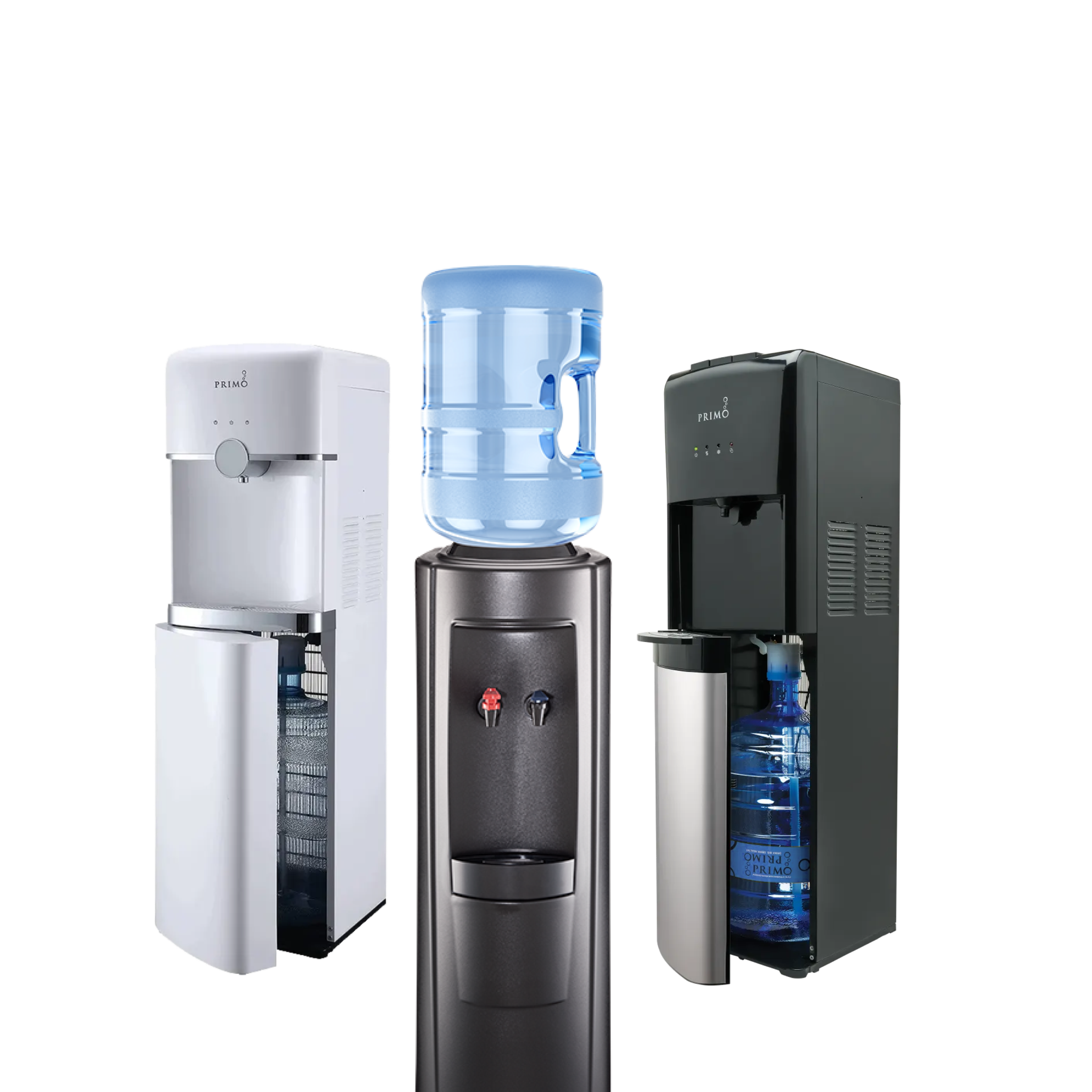
Unlock Efficiency with the Right Supplier Dispenser
How a smart dispensing solution can transform your workplace, warehouse, or production line—and why choosing the right partner matters.
Introduction: The Dispenser is More Than a Gadget
When you think about efficiency, you probably picture lean‑manufacturing dashboards, automated inventory software, or a well‑tuned logistics network. Rarely does a dispenser make the shortlist. Yet, the humble supply dispenser—whether it’s a paper‑towel roll, a packaging‑tape cartridge, a tool‑rack, or a snack vending unit—acts as the first point of contact between people and the resources they need to do their jobs.
A poorly designed or mismatched dispenser can:
- Create bottlenecks (employees wait for a refill or a jammed unit).
- Drive waste (over‑dispensing, expired items, or “lost” inventory).
- Skew data (inaccurate consumption tracking leads to bad purchasing decisions).
Conversely, the right supplier dispenser turns this small touchpoint into a powerhouse of productivity, cost control, and data insight.
1. What Makes a “Right” Supplier Dispenser?
| Feature | Why It Matters | Real‑World Example |
|---|---|---|
| Ergonomic Design | Reduces user friction & speeds up retrieval. | A “single‑handed” tape dispenser in a fulfillment center cuts pick‑time by 20 %. |
| Smart Connectivity (IoT) | Real‑time inventory alerts, usage analytics, remote diagnostics. | A coffee‑bean dispenser that pings the procurement team when beans dip below 10 %. |
| Modular & Scalable | Grows with your operation—add cartridges, switch product types, or expand capacity without replacing the whole unit. | A modular tool dispenser in a maintenance shop that now holds 3 extra tool bins after a line expansion. |
| Robust Materials | Withstands harsh environments (temperature swings, chemicals, heavy use). | Stainless‑steel sanitizer dispenser survived a chemical‑cleaning routine in a food‑processing plant. |
| Compliance & Safety | Meets OSHA, FDA, or industry‑specific standards. | Antimicrobial dispenser lids for a hospital pharmacy meet infection‑control protocols. |
| Transparent Pricing & Service Agreements | Predictable OPEX, clear SLA for refills, repairs, firmware updates. | A subscription model that bundles dispenser, consumables, and quarterly maintenance for a flat $1,200 per month. |
When these attributes line up, the dispenser becomes a silent efficiency engine, feeding the larger workflow without a second thought.
2. The Business Impact: Numbers That Speak
| KPI | Before Smart Dispenser | After Implementation |
|---|---|---|
| Average Retrieval Time | 12 seconds per item | 6 seconds (‑50 %) |
| Unplanned Downtime (jam/empty) | 3 hours/week | 0.5 hours/week (‑83 %) |
| Inventory Shrinkage | 4 % of stocked value | 1.2 % (‑70 %) |
| Annual Consumable Cost | $75,000 | $62,500 (‑16 %) |
| Data‑Driven Purchasing Accuracy | 78 % forecast accuracy | 95 % forecast accuracy |
Source: Consolidated results from three mid‑size manufacturing firms that adopted IoT‑enabled dispenser networks in 2023‑24.
The takeaway? Even modest gains in pick‑time and waste reduction cascade into sizable cost savings and higher throughput.
3. Choosing the Right Supplier: A Step‑by‑Step Playbook
-
Map Your Use‑Case
- What is being dispensed? (e.g., PPE, packaging material, food, tools)
- How often? (high‑frequency vs. occasional)
- Environment? (cleanroom, warehouse, outdoor)
-
Define Critical Success Metrics
- Retrieval speed, refill frequency, downtime tolerance, data granularity, compliance needs.
-
Shortlist Vendors on Three Pillars
- Technology – Does the dispenser offer IoT, firmware updates, API integration?
- Service Model – Consumable‑as‑a‑service, on‑site maintenance contracts, training.
- Financial Transparency – Clear CAPEX vs. OPEX, no hidden parts‑costs.
-
Ask for a Pilot
- Most reputable suppliers will run a 30‑day pilot on a single line. Capture baseline vs. post‑pilot metrics.
-
Evaluate Integration Capability
- Can the dispenser feed data into your ERP, WMS, or BI tools? Look for open APIs, pre‑built connectors, or middleware partners.
-
Check References & Compliance Documentation
- Ask for case studies in your industry and request OSHA/FDA compliance certificates if relevant.
-
Negotiate a Future‑Proof SLA
- Include firmware upgrade clauses, scalability provisions (adding extra cartridges), and exit terms that avoid lock‑in.
4. Real‑World Success Stories
a. Fast‑Track Packaging Plant – Reducing Tape Waste
A 250‑person packaging facility switched from manually stocked tape rolls to a smart tape dispenser network offered by a specialist supplier. The dispenser reported usage per line in real time, automatically ordering the next roll when stock fell below 15 %.
- Result: 18 % reduction in tape waste (over‑pull and expired rolls) and a 30 % cut in labor hours spent restocking.
b. Hospital Cafeteria – Boosting Hygiene & Satisfaction
A university hospital partnered with a supplier that provides touch‑free sanitizer dispensers equipped with UV‑sterilized nozzles and usage dashboards.
- Result: Hand‑hygiene compliance rose from 72 % to 94 % in three months, and the cafeteria reported a 12 % increase in customer satisfaction scores related to cleanliness.
c. Automotive Assembly Line – Streamlining Tool Access
A Tier‑1 automotive supplier installed modular tool dispensers on each assembly station. The system logged tool‑checkout times and flagged missing items instantly.
- Result: Average tool‑search time fell from 9 seconds to 3 seconds, shaving 2 minutes per vehicle and contributing to a $1.1 M annual productivity gain.
5. The Future: What’s Next for Dispenser Technology?
| Trend | Implication for Your Business |
|---|---|
| Edge‑AI Analytics | Predictive refill cycles, anomaly detection (e.g., unauthorized removal). |
| Battery‑less Power (Energy Harvesting) | Zero‑maintenance power for high‑traffic dispensers. |
| Multi‑Product Convergence | One unit delivering both consumables and data (e.g., a snack‑plus‑hydration dispenser). |
| AR‑Assisted Maintenance | Technicians see live diagnostics through smart glasses, cutting service time. |
| Circular‑Economy Integration | Dispensers designed for easy cartridge recycling, aligning with sustainability goals. |
Staying ahead means partnering with a supplier that invests in R&D and offers a roadmap that aligns with these emerging capabilities.
6. Quick Checklist – Is Your Dispenser Ready for the Next Level?
- Connected – Does it push data to the cloud?
- Modular – Can you add or swap cartridges without downtime?
- User‑Centric – Is it ergonomically designed for the primary user?
- Compliance‑Checked – Are certifications up‑to‑date?
- Service‑Backed – Do you have a clear SLA with response times?
- Scalable – Will it support a 2×, 5×, or 10× increase in volume?