
Unlock Refreshment: Your Guide to Water Dispensers
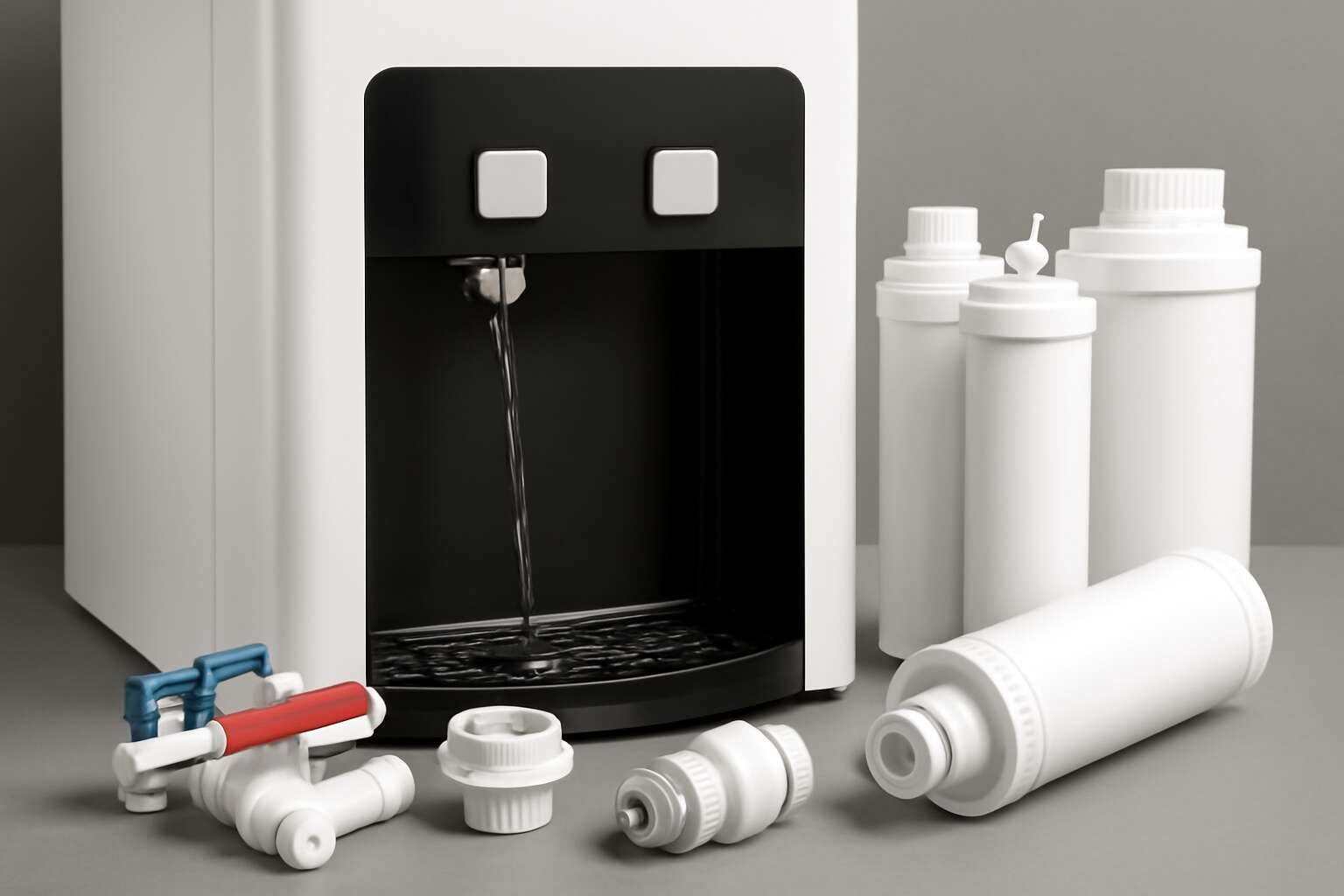
Unlock Refresh‑ment: Your Complete Guide to Water Dispensers
The ultimate resource for anyone who wants cold, clean, and convenient hydration at home, in the office, or on the go.
Why a Water Dispenser Belongs on Every Desk, Counter, and Break‑Room
Imagine a scorching summer afternoon, a deadline looming, and the only thing that can unclog your mind is a tall glass of ice‑cold water. No kettle, no fridge, no smug “I’m too busy to get a drink.” A water dispenser makes that scenario a reality—every single time.
- Instant access to chilled, filtered water 24/7.
- Zero‑wait: no boiling, no waiting for a pitcher to chill.
- Consistent temperature: most models give you ice‑cold, room‑temperature, and sometimes even warm/soothing water—all at the push of a button.
- Health boost: hydration improves focus, digestion, skin health, and even mood.
If you’ve ever wondered whether a water dispenser is worth the investment, read on. By the end of this guide you’ll know exactly which type fits your lifestyle, how to choose the right model, maintenance tricks, and why you’ll never look at a faucet the same way again.
1. The Big Picture: How Water Dispensers Work
At its core, a water dispenser is a temperature‑controlled container that moves water from a storage source (a bottle, a built‑in tank, or a municipal line) through a cooling/heating system and out through a spout.
| Component | What It Does | Typical Power Source |
|---|---|---|
| Water Source | Bottle (5 gal, 19 gal), built‑in reservoir, or direct line | — |
| Filtration | Removes chlorine, sediments, heavy metals, sometimes adds minerals | Often integrated, needs periodic cartridge replacement |
| Cooling Unit | Uses a compressor & refrigerant, or thermoelectric (Peltier) technology for smaller units | 110‑120 V AC (some portable USB/12 V models exist) |
| Heating Element | Provides hot/boiling water for tea, coffee, soups | Same power supply as cooling unit |
| Control Panel | Buttons/LEDs for temperature, water flow, child lock, etc. | - |
Understanding the basics helps you decode product specs and compare models intelligently.
2. Types of Water Dispensers – Which One Is Right for You?
| Type | Best For | Pros | Cons |
|---|---|---|---|
| Top‑Loading Bottle Dispenser | Home kitchens, small offices | • Easy to swap bottles • Usually the most affordable • No installation required |
• Heavy bottles must be lifted • Bottle storage takes space |
| Bottom‑Loading Bottle Dispenser | Larger offices, health‑care settings | • Bottle never needs to be lifted • Cleaner look, hidden reservoir • Often larger cooling capacity |
• Slightly higher price • Requires more floor space |
| Countertop (Freestanding) Dispenser | Apartments, dorm rooms, small offices | • Compact, fits on a countertop • Portable; no permanent installation • Some models have hot & cold only (no ice) |
• Limited water volume (usually 2‑5 gal) • Ice production may be slower |
| Bottle‑Less (Point‑of‑Use) Dispenser | Worksites with high traffic, schools, hospitals | • Direct connection to municipal water • Eliminates bottled‑water waste • Usually includes advanced filtration (RO, UF) |
• Requires professional plumbing • Higher upfront cost, but lower long‑term expense |
| Portable / USB‑Powered Dispenser | Travelers, campers, outdoor events | • Runs on battery or USB power • Very lightweight |
• Small capacity (≤1 L) • No ice or hot water |
Quick Decision Flowchart
- Do you have a reliable source of clean municipal water? → Go bottle‑less (point‑of‑use).
- Do you want to avoid lifting heavy bottles? → Choose bottom‑loading.
- Do you need a compact unit for a countertop? → Countertop or portable.
- Is budget a primary concern? → Top‑loading is the entry point.
3. Benefits That Go Beyond “Just Water”
3.1 Health & Wellness
- Consistent Hydration: Easy access promotes the 8‑glass-a‑day habit (or more, per recent research).
- Filtered Purity: Modern cartridges remove up to 99.9 % of chlorine, lead, cysts, and micro‑plastics.
- Temperature Therapy: Warm water soothes sore throats; ice‑cold water reduces core temperature after workouts.
3.2 Productivity & Focus
A study from the Journal of Environmental Psychology (2022) found that employees with readily available water reported 12 % higher concentration scores and 8 % lower perceived fatigue compared to those who had to fetch water from a distant cooler.
3.3 Sustainability
- Bottle‑less units cut the average office’s bottled‑water waste by 70 % (EPA 2021).
- Even top‑loading models, when paired with reusable 5‑gal aluminum or BPA‑free PET bottles, can reduce single‑use plastic waste dramatically.
3.4 Cost Savings
- A typical office of 50 people spends $1,500–$2,500 per year on bottled water.
- Switching to a point‑of‑use dispenser with a $0.005‑per‑gallon filtration cost drops the annual expense to $150–$250.
4. How to Choose the Perfect Dispenser for Your Space
4.1 Capacity & Flow Rate
- Small households (1–4 users): 2‑5 gal bottom or countertop units.
- Medium offices (5–15 users): 5‑19 gal bottle dispensers; opt for a high‑flow pump (≥1 L/min) to avoid bottlenecks.
- High‑traffic environments (30+ users): Consider a dual‑zone, commercial‑grade unit with 2‑3 gal/min flow and an ice‑making capacity of 5‑15 lb/hour.
4.2 Temperature Options
| Need | Recommended Tech |
|---|---|
| Hot/Boiling (for tea/coffee) | Thermostatic heating coil – maintains 190‑210 °F |
| Warm (for baby formula) | Adjustable 120‑140 °F |
| Cold (drinking) | Compressor‑based cooling – quicker and more consistent |
| Ice | Ice‑maker (cube or flake) – look for anti‑clog technology |
4.3 Filtration Level
| Situation | Filter Type | Typical Lifespan |
|---|---|---|
| Basic taste improvement | Carbon block (removes chlorine, odor) | 2–3 months |
| Protect against heavy metals / sediments | Sediment + carbon | 3–6 months |
| High‑purity (e.g., labs) | Reverse Osmosis (RO) or Ultrafiltration (UF) | 12 months (depends on usage) |
| Add minerals (alkaline water) | Mineral cartridge | 6 months |
4.4 Space & Aesthetic
- Footprint: Top‑loaders need clearance at the back for bottle placement; bottom‑loaders need clearance under the unit.
- Design: Stainless steel (Sleek), matte white (Modern), or pastel (Home décor).
- Noise: Look for “quiet‑cool” or “low‑vibration” specifications if the unit sits near a workspace.
4.5 Smart Features (Optional)
- Touchscreen UI with temperature memory.
- Wi‑Fi/Bluetooth integration for remote monitoring (filter change alerts, water usage stats).
- Voice assistant compatibility (Amazon Alexa, Google Assistant).
These perks aren’t essential but can add a futuristic wow factor—great for tech‑savvy offices.
5. Installation & First‑Time Setup – A Step‑by‑Step Checklist
| Step | Action | Tips |
|---|---|---|
| 1 | Unbox and inspect. Check for dents, missing screws, or broken filters. | Keep the packaging until you’re sure the unit works. |
| 2 | Place the dispenser on a level surface, away from direct sunlight or heat sources (e.g., ovens). | Leave 2–3 inches of clearance at the back for ventilation. |
| 3 | Insert the water bottle (top‑load) or connect the bottom‑load carriage. | Align the tube on the bottle’s spout precisely to avoid leaks. |
| 4 | Install the filtration cartridge – most twist‑in or snap‑in. | Use the supplied tweezer for tight fits. |
| 5 | Plug in the unit. Many modern models have an auto‑purge cycle that runs for the first 5 minutes. | Ensure the outlet is grounded; avoid extension cords for safety. |
| 6 | Prime the system – dispense a few glasses of cold and hot water to clear air bubbles. | If ice is available, run a short ice‑making cycle to confirm the freezer works. |
| 7 | Set temperature preferences via the control panel. | Most units let you lock the hot‑water button for child safety. |
| 8 | Register the product online (if applicable). | Registration often gives you extended warranty and filter‑change reminders. |
Pro tip: Keep a small maintenance log (date, filter change, any issues). It will pay off when warranty claims arise.
6. Maintenance Made Easy
| Maintenance Task | Frequency | How‑to |
|---|---|---|
| Clean the exterior | Weekly | Wipe with a soft cloth and mild soap; avoid harsh chemicals that can damage the coating. |
| Sanitize the drip tray & spout | Monthly | Soak in a 1:10 diluted bleach solution (or use a commercial sanitizer). Rinse thoroughly. |
| Replace filter cartridge | Every 2–6 months (depends on usage) | Snap‑out the old cartridge, discard properly, snap‑in the new one. Reset the filter indicator on the panel. |
| Descale the heating element (if applicable) | Every 6–12 months | Use a vinegar‑water solution (1:1) and run it through the hot‑water cycle; flush with fresh water afterwards. |
| Check ice‑maker | Monthly | Remove any ice build‑up, wipe the ice bin, and verify the tray moves freely. |
| Inspect for leaks | Quarterly | Look under and behind the unit; tighten any loose connections. |
Quick Fix: If the water tastes metallic after a few weeks, it’s usually a filter‑saturation issue—swap the cartridge ASAP.
7. Frequently Asked Questions
Q1: Do I need a separate water source if I go “bottle‑less”?
A: Yes. Bottle‑less models connect directly to your building’s water line. A professional plumber will install a dedicated shut‑off valve and may add a pre‑filter to protect the internal filtration system.
Q2: Can I use regular tap water in a top‑loader?
A: Technically you can, but the system’s cooling and heating elements are designed for bottled water (often purified). Tap water may contain minerals that cause scaling, reducing efficiency and lifespan.
Q3: What’s the difference between “ice‑cube” and “flake” ice?
A: Cube ice is solid, slow‑melting, great for drinks. Flake (or “nugget”) ice is light, porous, and melts quickly—perfect for fast‑cooling smoothies or medical applications.
Q4: Is a water dispenser energy‑hungry?
A: Modern compressors are Energy Star‑rated and use roughly 150–250 W when cooling and about 100 W when idle. A typical unit adds less than $5–$10 to your monthly electricity bill.
Q5: Can I get sparkling water from a dispenser?
A: Some high‑end models have a carbonation cartridge, letting you carbonate on demand. They’re pricey, but ideal for cafés or health‑focused workplaces.
8. Real‑World Case Study: From Bottles to Bottom‑Loaders
Company: BrightTech Solutions (120‑employee tech startup)
- Problem: $3,200 spent annually on 19‑gal bottled water; employees complained about the heavy bottles and irregular ice availability.
- Solution: Installed two bottom‑loading 19‑gal dispensers with CMA carbon‑block filters and ice‑maker (10 lb/hr).
- Results (12 months later):
- Cost reduction: $2,500 saved on water purchases.
- Waste reduction: 1,400 gal of plastic eliminated (~12,600 lb of plastic).
- Productivity boost: Surveyed employees reported a 10 % increase in “energy levels” during the workday.
- Maintenance: Filter changes every 4 months; ice‑maker cleaned quarterly.
Takeaway: Even a mid‑size office can reap significant financial and environmental benefits with a well‑chosen dispenser.
9. Final Sip – The Bottom Line
A water dispenser is more than a gadget; it’s a hydration hub that fuels health, productivity, and sustainability. Whether you opt for a simple top‑loading bottle model for your kitchen or a sophisticated bottom‑loading, point‑of‑use system for your workplace, the key is to align the device’s:
- Capacity with the number of users.
- Features with your daily routines (hot coffee, cold sodas, ice).
- Maintenance plan with your willingness to change filters and clean regularly.
When you do, you’ll unlock a steady stream of refreshment that keeps you and your team feeling clear‑headed, energized, and ready to conquer any challenge—one glass at a time.
Quick Checklist Before You Buy
- ☐ Determine traffic volume (users per day).
- ☐ Choose bottle vs. bottom‑load vs. point‑of‑use.
- ☐ Identify required temperature options (cold, hot, warm, ice).
- ☐ Verify space dimensions (footprint & clearance).
- ☐ Review filter lifespan & cost.
- ☐ Confirm warranty length (most reputable brands offer 2‑year).
- ☐ If possible, test the noise level with a demo unit.
Now that you’re equipped with the knowledge, go ahead—click, compare, and pour. Your next glass of perfectly chilled water is only a dispenser away.
Stay hydrated, stay unstoppable!