
Unlocking the Secrets of Water Dispensers: What You Need to Know
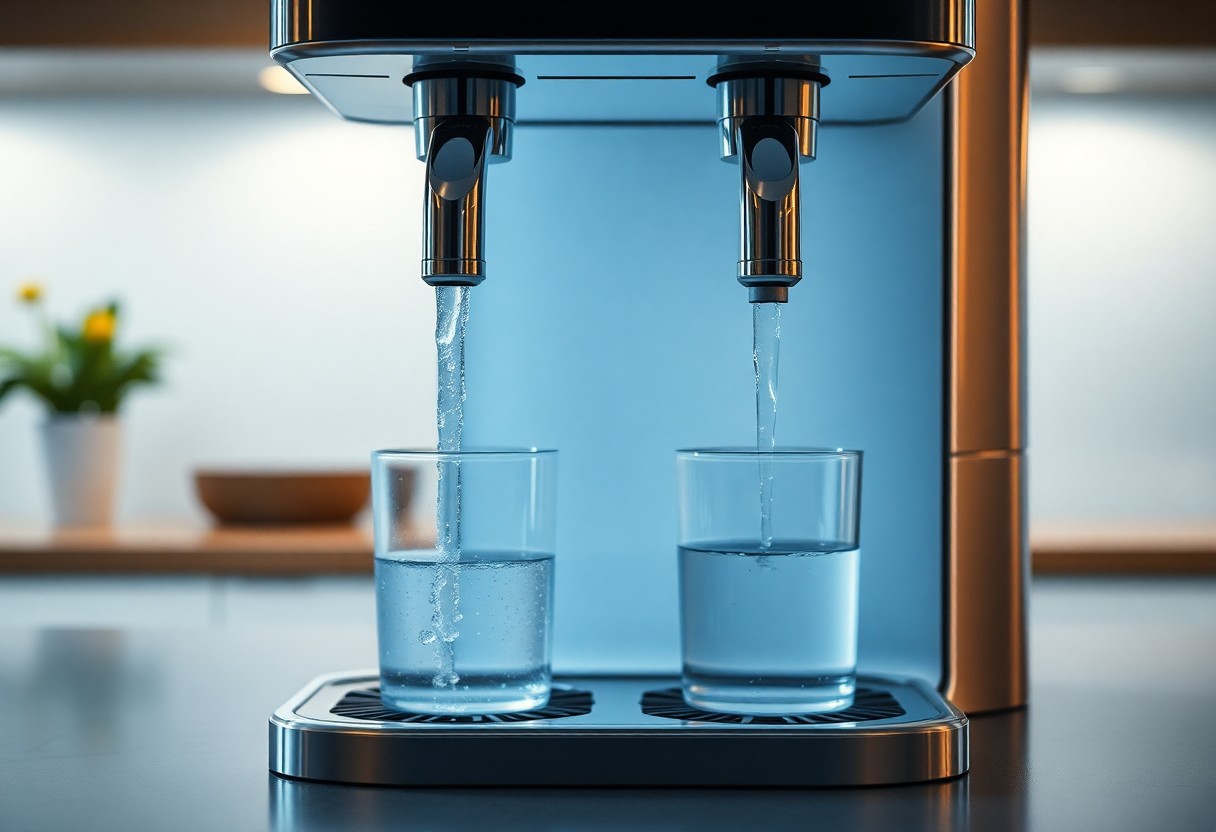
Unlocking the Secrets of Water Dispensers: What You Need to Know for Cleaner, Fresher Hydration
We’ve all used them. Whether you’re racing on a treadmill at the gym, rushing through an airport, or standing in the office breakroom waiting for the coffee to brew, the trusty water dispenser is a modern-day oasis.
It seems simple enough: press a paddle, get water. But have you ever wondered what’s actually happening inside that sleek plastic and stainless-steel machine? Are you getting the healthiest water possible? And just how clean is that nozzle?
Let’s dive beneath the surface and unlock the secrets of water dispensers, exploring how they work, why maintenance matters, and how to choose the right one for your space.
1. Hot, Cold, and Room Temp: How Do They Do It?
Ever marvel at how a single machine can dispense refreshing ice-cold water and water hot enough for instant tea within seconds of each other? It’s not magic; it’s clever engineering.
- The Cold Tank: Inside, there’s a small reservoir that holds water against a cooling coil (similar to the compressor and refrigerant system in your kitchen refrigerator). Once the water chills to a crisp 40°F–50°F (4°C–10°C), the system goes into standby until you pour another glass.
- The Hot Tank: Separate from the cold reservoir, the hot tank uses a heating element—much like a miniature water heater. It keeps water at a steaming 180°F–194°F (82°C–90°C), perfect for soups and teas. Don't worry about energy waste; most modern dispensers feature eco-modes or off switches for the heating element when not in use.
2. The Great Debate: Bottled vs. Bottleless (Point-of-Use)
When bringing a dispenser into your home or office, you generally have two choices:
- Traditional Bottled Dispensers: These use those heavy 3 or 5-gallon jugs inverted on top. They are easy to install (just plug them in and drop a bottle in) and allow you to switch to spring or distilled water easily. However, lifting heavy bottles gets old fast, and storing spares takes up valuable floor space.
- Bottleless (POU) Dispensers: These hook directly into your water line and filter tap water on demand. While installation is slightly more involved, they are the ultimate "set-it-and-forget-it" option. You never run out of water, you save money by skipping bottle deliveries, and you eliminate the carbon footprint of transporting heavy plastic jugs.
3. Hidden in Plain Sight: The Hygiene Factor
Here is the uncomfortable truth: a water dispenser is only as clean as the maintenance it receives.
Because dispensers are damp, room-temperature environments, they can become breeding grounds for bacteria, mold, and biofilms if neglected.
- The Spigots: The nozzles you push your cup against are exposed to dust, airborne bacteria, and even dirty hands.
- The Reservoirs: Minerals can build up over time, and bacteria can form a slimy layer inside the tanks.
The Fix:
- Sanitize the spigots and surrounding areas weekly with a food-safe disinfectant wipe.
- Deep-clean and sanitize the entire unit (tanks and lines) every 3 to 6 months. If you use a bottled unit, always sanitize the probe and collar every time you swap out an empty bottle for a full one.
4. Filtration: What’s Going Into Your Glass?
If you opt for a bottleless dispenser, the secret to great-tasting water lies in the filtration system. Most quality units use a multi-stage filtration process:
- Sediment Filters: Trap rust, dirt, and sand.
- Activated Carbon Filters: Remove chlorine, VOCs, and unpleasant tastes and odors.
- Reverse Osmosis (RO) or Ultrafiltration (UF): Advanced filters that remove microscopic contaminants, heavy metals, and dissolved solids.
Make sure you know when your filters need replacing. Clogged filters don't just slow down water flow; they stop doing their job, leaving your water vulnerable to impurities.