
Why Do We Call It a Water Dispenser Instead of a Cooler?
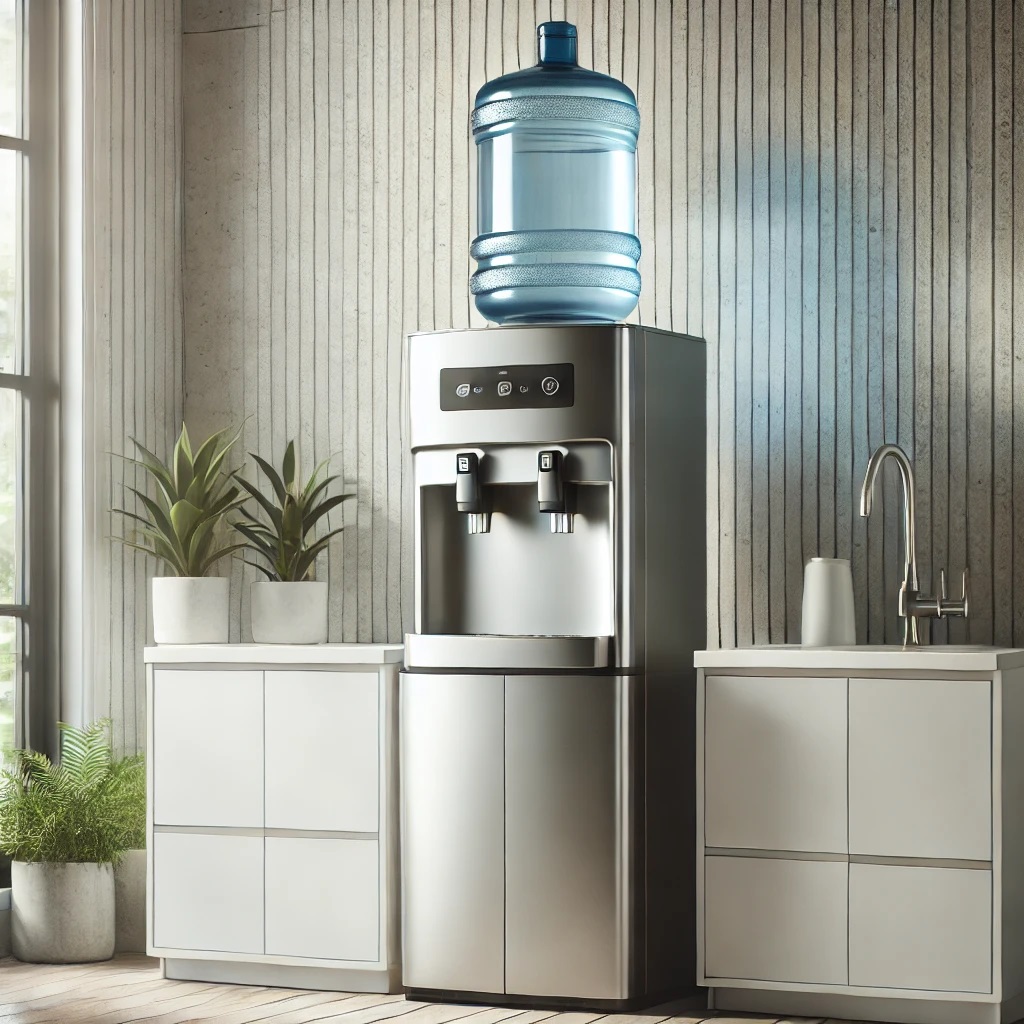
If you step into an office breakroom or walk through a kitchen showroom, you’ll likely see a machine standing tall, topped with a 5-gallon jug. You probably call it a "water cooler." But if you go to a retail website or check a product manual, you’ll almost always see it labeled as a "water dispenser."
So, why the disconnect? Is it just industry jargon, or is there a functional reason for the name change? Let’s dive into the evolution of hydration technology and uncover why "dispenser" has become the industry standard.
1. The Functional Shift: Not Everything is "Cool"
The term "water cooler" was coined in the early 20th century, back when the primary function of these machines was—you guessed it—to keep water cold. Before refrigeration was standard in every home, access to chilled water was a luxury, and the "water cooler" became an iconic fixture in workplaces.
However, modern technology has moved far beyond simple refrigeration. Today’s machines are multi-functional. Many models offer:
- Boiling water for tea, coffee, or instant noodles.
- Room temperature water for those who prefer it.
- Sparkling water integration.
Calling a machine that produces boiling water a "cooler" is a bit of a misnomer. "Water dispenser" is a much more accurate, neutral term that encompasses the machine's ability to act as a point-of-use source for water at any temperature.
2. The Rise of "Point-of-Use" (POU) Systems
In the past, the water cooler was synonymous with the big blue plastic jug delivered by a truck. These were essentially "coolers" because they needed ice or cooling coils to keep the heavy jug's contents drinkable.
Today, many offices and homes use Point-of-Use (POU) dispensers. These are plumbed directly into the building’s water line and include built-in filtration systems. Because these machines don't necessarily keep the water "cool" (some are simply high-tech filtration and delivery systems), "dispenser" is the more technically correct terminology. It describes the action (dispensing) rather than the temperature (cooling).
3. Precision vs. Nostalgia
Language often evolves from specific, functional names to broader, catch-all terms.
- Water Cooler: Carries a sense of nostalgia. It evokes the "water cooler talk"—the social phenomenon of employees gathering around the chilled water to gossip or chat. It’s a term rooted in office culture history.
- Water Dispenser: Carries a sense of precision. It’s the term favored by manufacturers, plumbers, and retailers because it describes the device as a piece of hardware. It’s the difference between calling your refrigerator a "food chiller" and an "appliance."
Does the Name Actually Matter?
In casual conversation, you can keep calling it a water cooler. The term is so deeply ingrained in our vernacular that no one will misunderstand you. If you tell a coworker, "I'm heading to the water cooler," they know exactly where you're going.
However, if you are in the market to buy one, "water dispenser" is the word you need to use in the search bar. Using "dispenser" helps you filter out old-fashioned ice-based coolers and browse the sophisticated, multi-temperature, filtration-heavy machines that represent the modern standard.