
Why Do We Need Filters in Our Water Supply?
Beyond the Tap: Why Do We Need Filters in Our Water Supply?
We often turn on the kitchen faucet, grab a glass, and take a refreshing sip without a second thought. In many parts of the world, we are incredibly fortunate to have access to municipal water systems that provide clean, treated water.
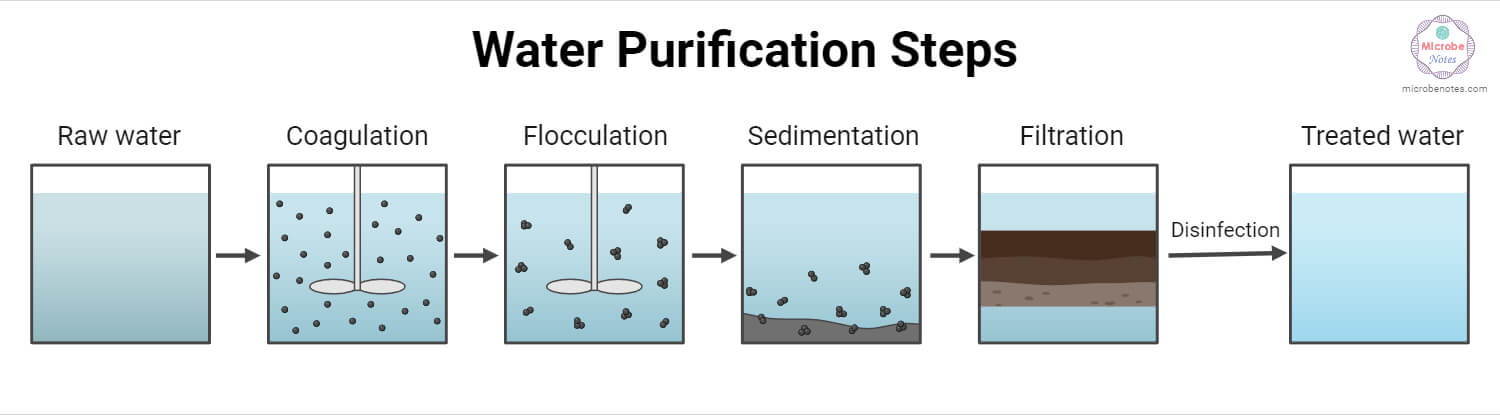
However, even the most advanced municipal treatment plants have limits. The journey your water takes from the treatment facility to your glass is long, and it often picks up "uninvited guests" along the way. This is why, increasingly, household water filters are becoming a home essential rather than a luxury.
But why, exactly, do we need them? Here are the four primary reasons you might consider installing a water filter in your home.
1. The "Last Mile" Problem: Aging Infrastructure
Most city water is perfectly safe when it leaves the treatment plant. The problem lies in the miles of aging pipes that deliver it to your home.
Over time, water distribution systems—some of which are decades or even centuries old—can develop cracks, corrosion, and leaks. This can introduce heavy metals like lead and copper into your water supply. Furthermore, when there is a break in a water main, ground contaminants can seep into the pipes. A filtration system acts as your final line of defense, catching these contaminants just before they hit your cup.
2. The Residual Taste and Smell of Chlorine
To keep water safe from bacteria during its journey through those pipes, municipal plants treat it with chlorine or chloramine. While these chemicals are absolutely necessary for public health, they leave an unmistakable "swimming pool" taste and odor.
Many people find the chemical smell off-putting, which leads them to drink less water or rely on sugary alternatives. A simple activated carbon filter is highly effective at removing the residual chlorine, leaving you with fresh, crisp, and neutral-tasting water that encourages better hydration.
3. The "Hidden" Contaminants
Even water that meets federal safety standards can contain trace amounts of substances that people prefer to avoid. This includes:
- Pesticides and Herbicides: Runoff from agricultural areas can occasionally find its way into groundwater sources.
- Pharmaceuticals: Traces of medications that pass through human systems and aren't fully removed by standard treatment processes have been detected in some municipal supplies.
- Microplastics: Emerging research is finding tiny plastic particles in water sources globally.
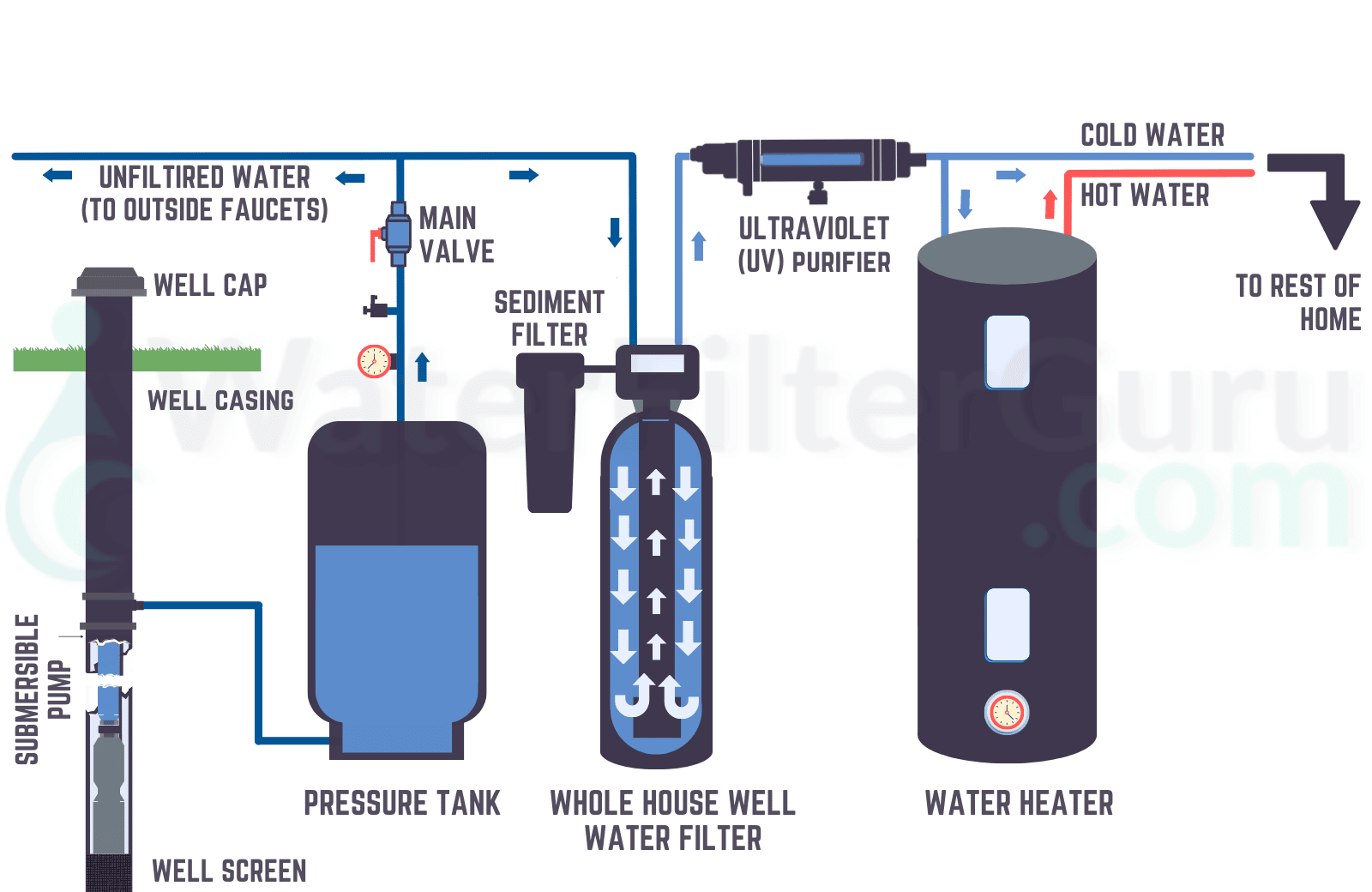
While the levels of these substances are often within regulated safety limits, many families prefer to reduce their exposure further by using advanced filtration systems like Reverse Osmosis (RO) or multi-stage carbon blocks.
4. Protecting Your Home Appliances
It isn't just about what you drink; it’s about what flows through your pipes. If you live in an area with "hard water"—water containing high levels of minerals like calcium and magnesium—these minerals can build up as limescale inside your water heater, dishwasher, and washing machine.