
Why Is My Dispenser Leaking?
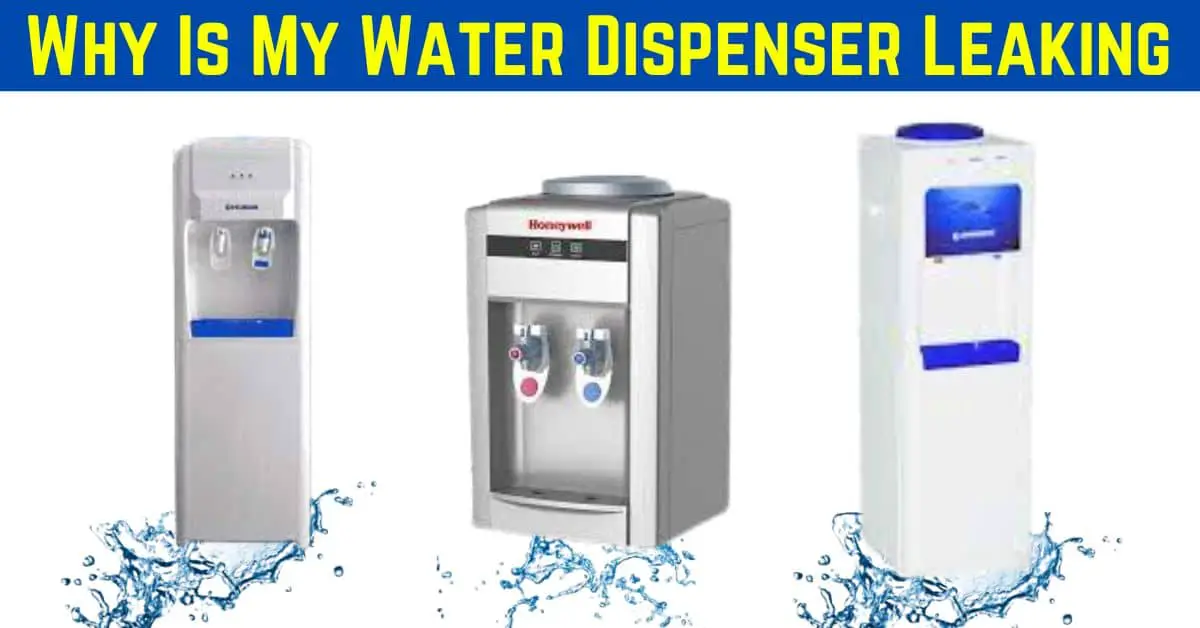
Why Is My Dispenser Leaking? Common Causes and How to Fix It
If you’ve noticed a puddle forming around your water dispenser, coffee maker, or soda machine, you’re not alone. A leaking dispenser can be frustrating, messy, and even damaging to your floors or cabinetry. But before you call a technician or consider replacing the appliance, it’s helpful to understand the common causes of leaks and whether they can be resolved with a few simple troubleshooting steps.
In this post, we’ll explore the most frequent reasons your dispenser might be leaking — whether it's a water cooler, refrigerator ice/water dispenser, coffee machine, or soda system — and offer practical solutions to get things back on track.
1. Loose or Damaged Water Line Connection
One of the most common causes of a leak is a loose or cracked water supply line. Over time, connections can loosen due to vibrations or accidental bumps, leading to drips or steady streams of water.
What to do:
- Turn off the water supply and unplug the dispenser.
- Inspect all tubing and connections for cracks, kinks, or looseness.
- Re-tighten any loose fittings using an adjustable wrench (but avoid overtightening).
- Replace any damaged tubing with a compatible replacement part.
2. Faulty Door or Dispenser Seal
Dispensers, especially those on refrigerators, rely on rubber seals (gaskets) to keep water contained. If the seal is worn, cracked, or misaligned, water can escape each time you use the dispenser.
What to do:
- Clean the seal thoroughly with warm, soapy water to remove debris.
- Inspect for visible cracks or brittleness.
- If the seal is damaged, order a manufacturer-replacement gasket and install it carefully.
3. Clogged or Dirty Drip Tray
Some dispensers, particularly coffee machines, have a drip tray designed to catch minor spills and condensation. If this tray becomes full or blocked, water can overflow and leak onto the counter or floor.
What to do:
- Remove and empty the drip tray regularly.
- Clean it with warm water and mild detergent.
- Check the drainage path for clogs and clear any buildup.
4. Temperature-Related Condensation
Especially in humid environments, cold water dispensers can “sweat,” causing excess condensation that pools around the base.
What to do:
- Wipe down the dispenser regularly.
- Place a moisture-absorbing mat or tray underneath.
- Improve room ventilation or use a dehumidifier to reduce air moisture.
5. Air in the Water Lines (After Installation or Filter Change)
When you’ve recently installed a new water filter or connected the dispenser for the first time, air can be trapped in the lines. This often causes sputtering and temporary leaking during the initial purge cycle.
What to do:
- Dispense several cups of water to flush out the air.
- Wait for the flow to stabilize — this usually stops the leak within a few minutes.
6. Worn or Damaged Internal Components
Over time, internal valves, solenoids, or pumps can wear out and begin to leak. This is especially true for older dispensers or units used frequently.
What to do:
- If leaks persist after checking all visible parts, the issue may be internal.
- Consult the user manual for disassembly guidance or contact a certified technician.
- Consider replacing the unit if repair costs are high.
7. Overfilled Reservoir or Improper Assembly
In stand-alone water dispensers or coffee makers, overfilling the water tank or failing to seat it properly can cause overflow when dispensing.
What to do:
- Check that the reservoir is not filled past the maximum fill line.
- Reassemble the tank securely and ensure no parts are misaligned.
8. Mineral Buildup or Scale
Hard water can leave mineral deposits inside valves and nozzles, preventing them from sealing properly. This buildup can lead to slow but persistent dripping.
What to do:
- Descale your dispenser regularly using a manufacturer-recommended solution or vinegar rinse.
- Follow the descaling instructions in your user manual.