
Why Should You Invest in a Water Dispenser?
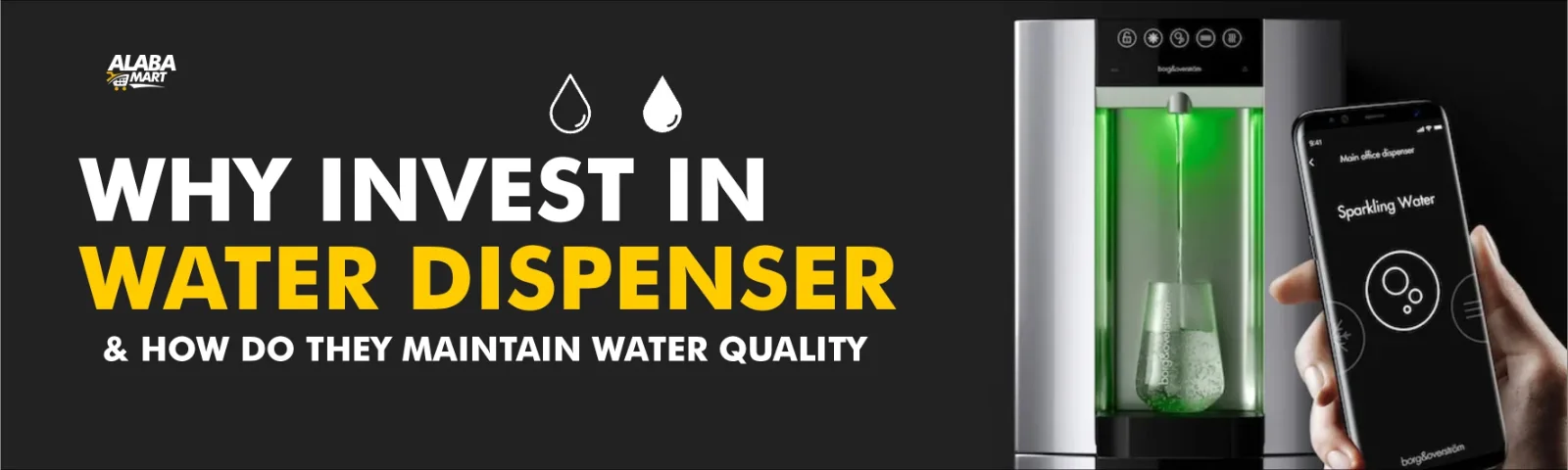
Title: Refresh Your Routine: Why a Water Dispenser is a Must-Have Investment for Your Home or Office
We all know the golden rule of health: drink more water. It boosts energy, aids digestion, clears skin, and keeps our bodies functioning at their best. Yet, despite knowing this, many of us still struggle to hit our daily hydration goals.
Often, the barrier isn’t a lack of thirst—it’s convenience. Waiting for the kettle to boil, running out of ice cube trays, or dealing with lukewarm tap water can make reaching for a soda or juice much more appealing.
Enter the humble water dispenser. Far from just being a staple of sterile office waiting rooms, water dispensers have evolved into sleek, highly functional home appliances. If you’re on the fence about whether you need one, here is why investing in a water dispenser is a game-changer for your daily life.
1. Instant Temperature Control (No Waiting Around)
How many times have you abandoned your goal of drinking herbal tea because waiting for the kettle took too long? Or wanted a glass of ice-cold water on a hot summer day, only to find the pitcher in the fridge is empty?
With a water dispenser, you get the best of both worlds instantly:
- Ice-Cold Water: Perfect for quenching your thirst immediately, encouraging you to drink more water throughout the day.
- Steaming Hot Water: Ideal for quick cups of tea, coffee, instant oatmeal, or soups.
- Room Temperature: Great for cooking or for those who prefer not to drink ice-cold liquids.
2. Better Tasting Water
Tap water quality varies significantly by region. Even if it’s safe to drink, it can sometimes carry a distinct metallic taste, a heavy chlorine odor, or unpleasant sediments.
Many modern water dispensers come equipped with built-in filtration systems (or accommodate advanced filtration jugs), ensuring that every drop you drink is crisp, clean, and refreshing. When your water tastes better, you naturally drink more of it.
3. A Greener, More Eco-Friendly Choice
If your household relies on single-use plastic water bottles for convenience, a dispenser is a massive eco-upgrade.
Switching to a 3-gallon or 5-gallon reusable jug—or a direct-line-plumbing filtration dispenser—drastically reduces your household’s plastic waste. You’ll no longer be tossing dozens of plastic bottles into the recycling bin (or worse, the trash) every week. It’s a simple switch that significantly shrinks your carbon footprint.
4. Long-Term Cost Savings
At first glance, buying bottled water in bulk or purchasing a dispenser might seem like an added expense. However, do the math on how much you spend weekly on single-use bottled water packs or daily trips to the cafe for hot water/tea.
Over time, buying water in bulk jugs or filtering your tap water via a dispenser is significantly cheaper. It pays for itself within a matter of months, especially in busy households or offices.
5. Encourages Healthy Habits for the Whole Family
Out of sight often means out of mind. When water is tucked away in the back of the fridge or requires filling a glass from the tap, kids (and adults!) tend to bypass it for sugary juices and sodas.
A water dispenser acts as a visual prompt. Placed in an accessible spot, it invites everyone in the house to grab a glass. Because the water is cold and appealing, children are far more likely to make water their go-to beverage, helping them build healthy habits early on.
6. Modern Designs That Fit Any SpaceGone are the days of the bulky, noisy, industrial-looking white plastic boxes of the past. Today’s water dispensers come in stylish stainless steel finishes, sleek black, and minimalist designs. You can choose from:
- Top-loading models: Traditional and easy to set up.
- Bottom-loading models: No heavy lifting required; simply slide the jug into the base!
- Countertop models: Perfect for smaller kitchens, apartments, or home offices where floor space is limited.