
why some people think water dispenser is not important?
Is a Water Dispenser Just Clutter? Why Some People Think They’re Unnecessary
In the world of kitchen appliances, the water dispenser sits somewhere between a "luxury essential" and a "dust-gathering gadget." While you’ll find one in almost every modern office breakroom, many homeowners remain skeptical about installing one in their own kitchens.
If you’ve ever found yourself debating whether a water dispenser is worth the counter space or the installation hassle, you aren’t alone. Here is a look at why many people believe that a water dispenser is actually unnecessary—and why they might be right.
1. The "Kitchen Tap Strategy"
For most people, the kitchen tap is the primary source of hydration. If your local water quality is high and you enjoy the taste of your municipal supply, a dispenser can feel redundant. Why add a machine to do the exact job your faucet already does for free? To many, the tap is a simple, reliable solution that doesn’t require filter changes, electricity, or maintenance.
2. The Aesthetics of Clutter
Minimalism is a major design trend in modern homes. Countertop space is a premium commodity, and floor-standing dispensers can feel like clunky office equipment that clashes with a carefully curated kitchen aesthetic. For design-conscious homeowners, a large plastic-and-metal tower is an eyesore that breaks the flow of their cabinetry.
3. The "Hidden Cost" of Maintenance
A water dispenser is not a "set it and forget it" appliance. It requires periodic cleaning, descaling, and—most importantly—regular filter replacements. For many, this is a chore they don't want to sign up for. When you factor in the cost of replacement filters and the potential for the internal components to harbor bacteria if not cleaned properly, the "convenience" starts to feel a bit more like a project.
4. The Fridge Door Alternative
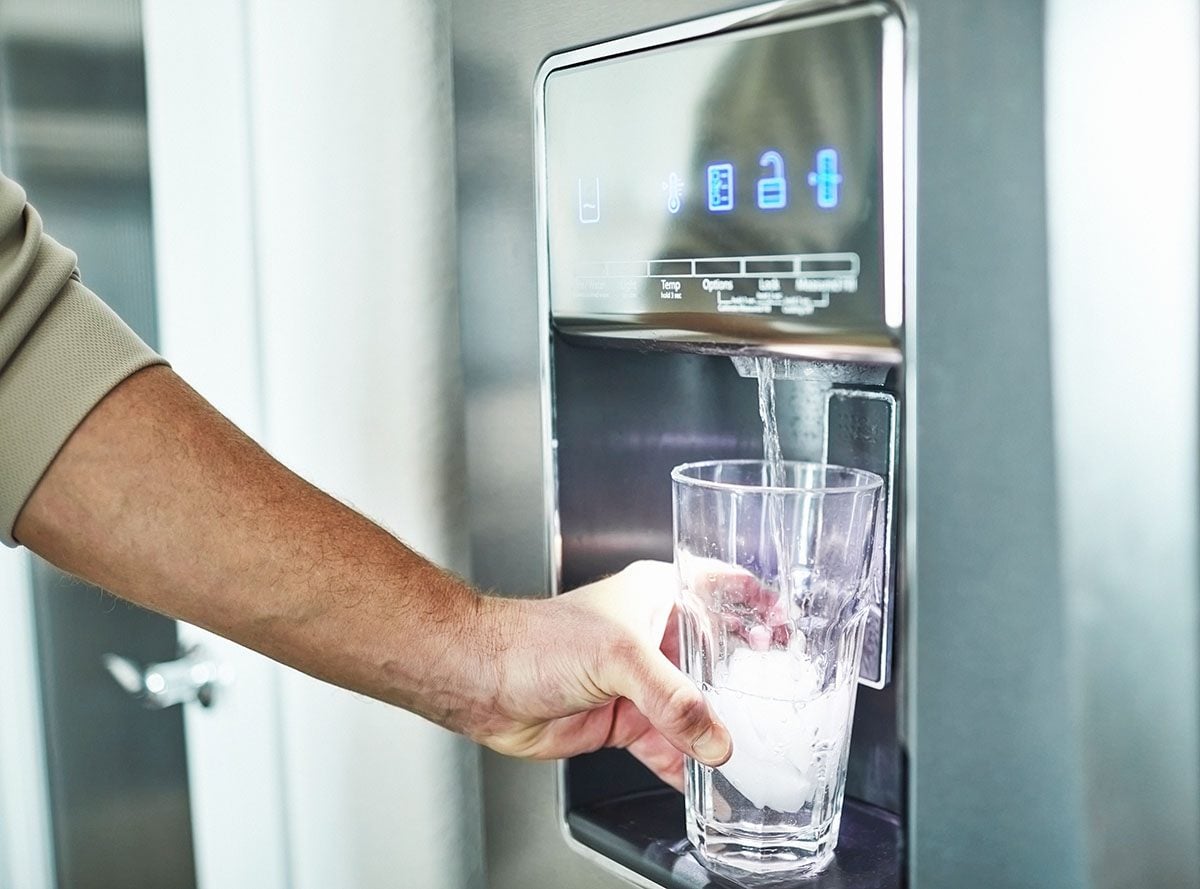
For those who want cold, filtered water, many modern refrigerators come with built-in water and ice dispensers. If your fridge already handles the filtration and cooling process, a standalone water dispenser is effectively duplicating an appliance you already own. It’s a classic case of product overlap, where the value proposition of a secondary device simply isn't high enough to justify the purchase.
5. Sustainability Concerns (The Bottle Dilemma)
If you are using a top-loading dispenser that requires large 5-gallon jugs, you are committing to a rhythm of delivery or trips to the store to swap heavy containers. While this is better than individual plastic bottles, it still involves a significant amount of plastic waste (the jugs) and the carbon footprint of delivery trucks. For those focused on a zero-waste lifestyle, the plumbing-integrated "point-of-use" dispenser is often too expensive to install, leading them to stick with simple pitchers or filtered bottles.
Is it really a matter of "No," or "Not for Me?"
The argument against water dispensers usually boils down to a conflict between convenience and lifestyle.
- If you live alone or with a partner, a simple pitcher filter (like a Brita) is often enough.
- If you live in a place with great tap water, you don’t need the extra filtration.
- If you value open counter space, the bulky dispenser is the first thing to go.
The Verdict: Water dispensers aren't inherently "bad," but they are a high-maintenance comfort item. They are incredibly useful for large families, offices, or areas where the tap water quality is poor. However, for many, they represent an unnecessary expense and a source of kitchen clutter that doesn't solve a problem that wasn't already handled by a reliable tap or a simple fridge filter.